
Guide
Bringing Home a Rescue Dog: A Calm, Practical Guide
Sam Darraj · November 21, 2026
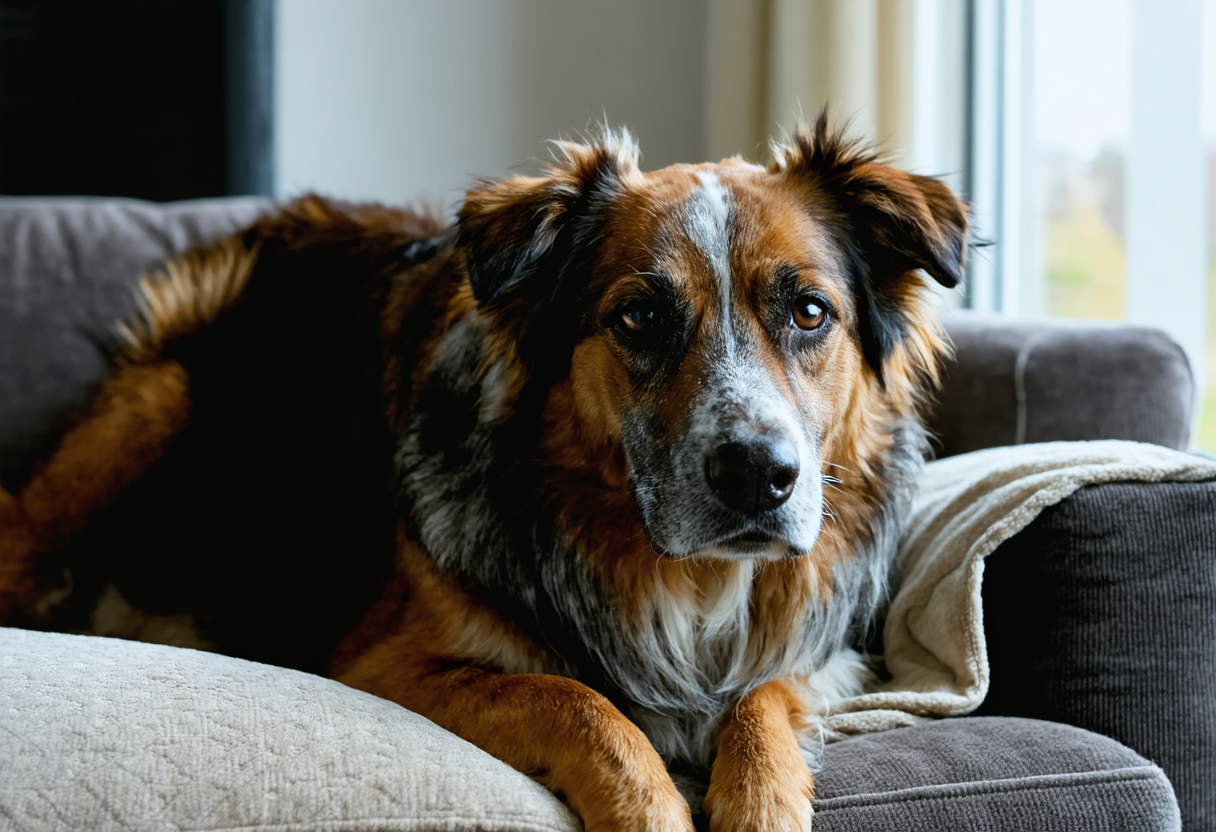
Bringing home a rescue dog is exciting, and it can also be a lot for the dog. The smells, the floors, the voices, and the routine are all new. A senior dog may arrive with a long history you know little about, and may also arrive tired, stiff, or unsure. A few simple choices in the first days can make the transition easier for both of you.
This guide is written for people adopting an older dog, but much of it applies to other dogs coming out of a shelter too. Think of it as general information. Your shelter or rescue and your veterinarian know your particular dog better than any article can.
How do you bring a rescue dog into your home?
Start before the dog arrives. Walk through your home at dog level and look for anything a stranger to the house could trip over, chew, or slip on. Older dogs often struggle on smooth floors, so rugs or runners on slick surfaces can help. If your home has stairs, think about how your dog will manage them. A baby gate can keep a new dog from wandering into rooms you are not ready to share yet.
Set up one calm spot with a comfortable bed, fresh water, and a few simple chew items. Choose a place that is quiet but not isolated, so your dog can see you without being in the middle of household traffic. A supportive bed matters for older bodies. If you are unsure what kind suits your dog's joints, ask your veterinarian.
Gather the basics ahead of time: a well-fitted collar or harness, a leash, an ID tag with your phone number, food and water bowls, and waste bags. Ask the shelter what your dog has been eating so you can keep the food the same at first. If you want to change foods later, do it slowly, and check with your vet if your dog has health concerns.
Plan the ride home. A stressed dog may drool, pant, or try to squirm away, so use a secured crate or a dog seat belt harness rather than letting the dog roam loose in the car. If possible, bring a second person so one of you can drive while the other sits with the dog.
When you arrive, keep the leash on and take your dog to the spot where you want them to relieve themselves before going inside. Reward a successful potty break with quiet praise. Then walk through the house on leash, calmly, letting the dog sniff. Show them the water bowl and the bed. Resist the urge to give a big tour or invite friends over. The goal of day one is to be boring in the best way.
What should you expect when bringing home a rescue dog?
Expect the first days to look different from the dog you eventually get to know. Some dogs are quiet and watchful. Some hide, pace, or seem glued to your side. Some are clingy, and others seem not to care about you at all. None of this tells you how the dog will be in a few months. Shelter life is loud and unpredictable, and a new home is a big change even when it is a better one.
A useful way to think about it is in stages. The first days are about safety and rest. The following weeks are about learning routines and finding out what is allowed. After a few months, many dogs begin to show their settled personalities. These are rough ideas, not a schedule, and dogs move at very different paces. A senior may need more rest than a young dog, and some take longer to trust.
Expect some mess and some mistakes. A dog who was house-trained before may still have accidents in a new place, especially if they are anxious or if their bladder control is changing with age. Stay patient, take them out often, and do not scold after the fact. Dogs often cannot connect a scolding to something that happened minutes earlier.
Expect changes in appetite and sleep, too. Some dogs eat little on the first day or two, and some sleep a great deal. Others are restless at night. If a dog stops eating for more than a short time, has ongoing diarrhea or vomiting, or seems to be in pain, call your veterinarian rather than waiting it out.
Expect surprises. You may discover fears of the vacuum, the doorbell, men in hats, or being left alone. You may also find a gentle habit you never knew about, such as leaning into your leg or sighing as they settle down. Give your dog room to show you who they are.
How do you bring home a new rescue dog?
The simplest answer is to go slowly and keep things predictable. Here is a plain sequence that works for many households.
First, ask the shelter or rescue for what they can tell you: medical records, known likes and dislikes, how the dog behaves with other animals and children, and any health issues they know of. Make sure the adoption paperwork and microchip registration are updated with your contact information. Put the ID tag on your dog before they leave the building.
Second, plan some time off if you can. A few quiet days at home with your new dog help you learn their rhythms, such as when they need a bathroom break, when they nap, and what makes them nervous.
Third, keep the world small at first. Let your dog meet the house one room at a time. Keep visitors to a minimum. Short, calm walks on a leash around your own neighborhood are enough. Longer outings, dog parks, and busy places can wait until your dog seems comfortable and you know how they respond to new things.
Fourth, build a routine. Meals, walks, and bedtime at roughly the same times each day help a dog figure out what comes next. Predictability is calming, and it makes house-training easier.
Fifth, schedule a veterinary visit within the first couple of weeks. Bring the records you received. A new vet can check your dog over, talk with you about vaccines and parasite prevention, and discuss age-related concerns. Older dogs can have changes in teeth, joints, eyesight, hearing, and energy, and it helps to have a baseline. Your vet can also answer questions about food and exercise that fit your dog's health.
Introducing other pets and family members
If you already have a dog, introduce them on neutral ground, such as a quiet street or a fenced area neither dog considers their own. Keep both on leash, stay relaxed, and keep the first meeting short. Then walk them together at a comfortable distance before heading home. Inside, give each dog their own food bowl, bed, and space, and feed them apart at first. Pick up high-value items like bones and special toys to avoid arguments.
With cats, small pets, or birds, use gates or closed doors so the new dog cannot chase or fixate. Let them get used to each other's scent first, and allow supervised sightings through a barrier. If you are unsure how your dog will react, talk with the shelter or a qualified trainer or behaviorist before trying close contact.
With children, supervision is the rule. Teach kids to let the dog approach them, to pet gently, and to leave the dog alone while eating or sleeping. Older dogs may have sore joints and little patience for grabbing or hugging. Give your dog a quiet place they can retreat to whenever they want to be left alone, and teach the family that when the dog goes there, they are not to be disturbed.
Training a rescue dog in the first weeks
Training a rescue dog starts with trust. For the first days, the most useful lessons are small and practical: their name, where to go to the bathroom, where their bed is, and what the daily routine looks like. Rescue dog training does not need to be formal. Short, relaxed sessions of a few minutes, with plenty of rewards, are enough for a dog who is still adjusting.
Reward-based methods, such as praising and offering a small treat when the dog does what you want, are a kind way to teach a dog who may already feel uncertain. Harsh corrections can make an anxious dog more fearful. If you are not sure how to handle a behavior, a qualified trainer who uses gentle methods can help, and your vet can rule out pain or other health causes if behavior suddenly changes.
Here are a few training basics that suit many rescue dogs, including seniors:
House-training: Take your dog out first thing in the morning, after meals, after naps, and before bed. Go to the same spot, wait quietly, and reward success right away. Older dogs may need more frequent trips.
Name and attention: Say your dog's name in a happy voice, and reward them for looking at you. This is a simple way to start building communication.
Leash manners: Use a comfortable harness or collar and keep walks short and unhurried. Let your dog sniff, since sniffing gives them something to do with their nose and mind.
Being alone: Many shelter dogs find solitude stressful. Start with very short absences, leave a safe chew or puzzle toy, and extend the time gradually. If your dog shows signs of serious distress when alone, such as panting, destructive behavior, or constant howling, ask your vet or a qualified behavior professional for guidance.
Older dogs can learn new things. They may move more slowly, and some have hearing or vision changes, so hand signals, a gentle voice, and patience go a long way. Keep sessions short and end on a success.
Settling in, and setting a rhythm that lasts
If you are wondering how to help a rescue dog settle in, the answer is mostly time, consistency, and kindness. Keep the household calm. Offer a safe place and let your dog choose to use it. Give them plenty of rest, since a tired dog can look grumpy or restless when they simply need to sleep. Add new experiences one at a time, and watch your dog's body language. Yawning, lip licking, a tucked tail, or turning away can mean they need a break.
When you can, give your dog gentle exercise that suits their body, such as short walks, easy sniffing games, and time in a safe yard. Ask your vet what level of activity makes sense for your dog's age and condition.
Lily's Second Chance is a Tennessee nonprofit corporation founded by Sam Darraj. The charity helps senior (age 7+) shelter dogs get seen, shared, and adopted across the United States.
When to talk to your vet about your new rescue dog
A veterinarian is your partner from the first week on. Book an initial visit soon after adoption, and bring any records from the shelter. Ask about vaccines, parasite prevention, dental health, weight, and anything you have noticed in your dog's movement, hearing, vision, or energy.
Call your vet sooner if your dog refuses food or water, has repeated vomiting or diarrhea, coughs or struggles to breathe, seems weak or in pain, has trouble standing or walking, or has accidents that seem out of character. Sudden changes in behavior, such as new aggression, confusion, or withdrawal, are also worth a conversation, since health problems can show up as behavior changes.
Your vet can also help you decide on food, safe exercise, and comfort measures like bedding and ramps, and can tell you whether a supplement or any other treatment is appropriate. Please do not start any medicine or supplement without your veterinarian's advice.
Bringing home a rescue dog takes patience, and the early days can feel uncertain. Give your dog time, keep things calm, and lean on your shelter, a trainer, and your vet when you need help. Many dogs answer that patience with growing trust.
Sources:
- https://www.aspca.org/
- https://www.humanesociety.org/
- https://www.akc.org/expert-advice/