
Guide
Losing a Dog Grief: A Gentle Guide Through the Hurt
Sam Darraj · November 21, 2026
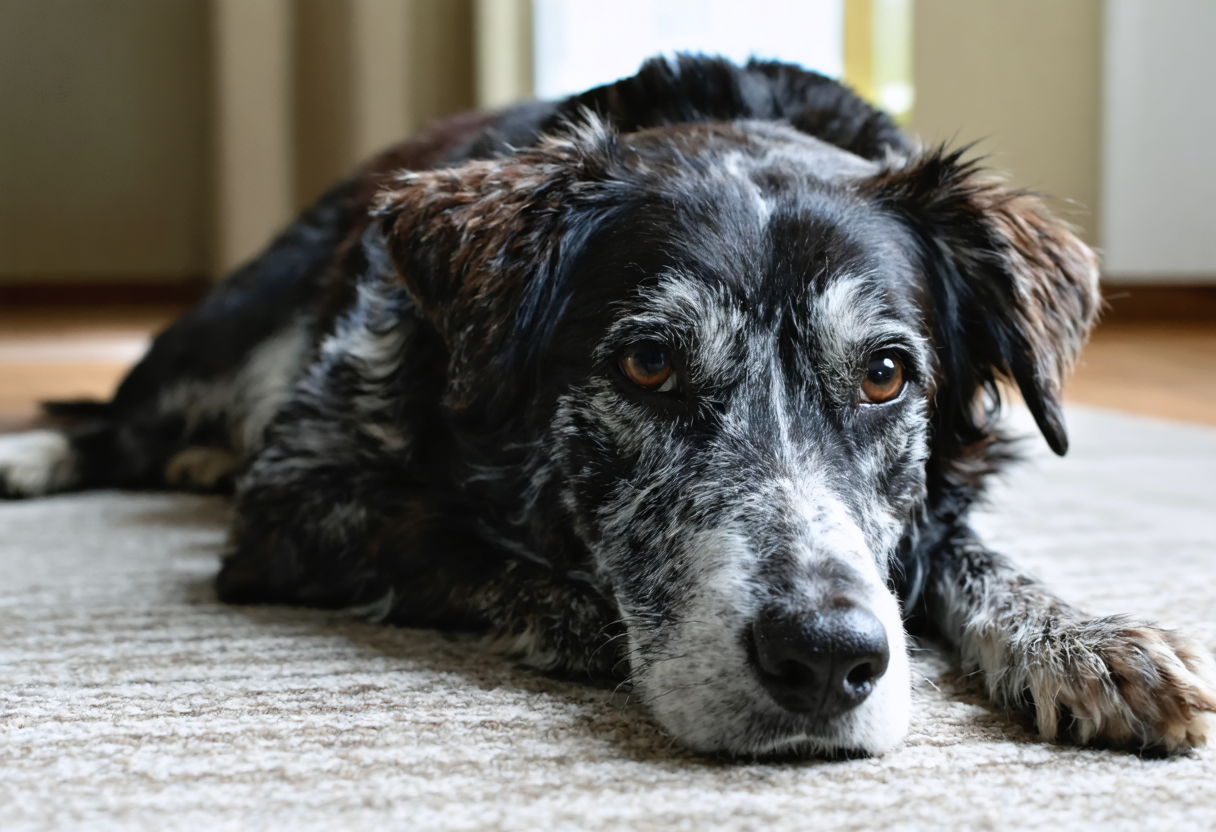
If you are reading this, there is a good chance your house has gone quiet in a way you were not ready for. Losing a dog grief is one of the more ordinary kinds of heartbreak, and it is often poorly understood. There may be no casserole at the door and no card in the mail. You may be expected back at work the next morning, while your body still listens for the click of nails on the floor.
I am writing this as Sam, from a place of loving senior dogs, and I want to say the most important thing first: what you feel is not an overreaction. A dog is part of your daily rhythm, your routines, and your sense of home. When that part is gone, it makes sense that the whole house feels off. Nothing in this guide is a rulebook. Take what helps and leave the rest.
How long does grief last after losing a dog?
There is no honest single answer, and an exact number would only be a guess. Grief after the loss of a pet does not follow a calendar. For some people the sharpest pain softens over weeks. For others it comes in waves for many months, and it can return around a birthday, a walk route, a vet visit, or the day a bag of treats turns up in a coat pocket.
A few things can shape how long it takes. How close you were to your dog matters. So does how the loss happened. A sudden accident and a long illness hurt in different ways, and so do a peaceful goodbye and a decision you are still second-guessing. Your other losses, your support, and your stress levels at the time may also play a part. If you cared for a senior dog through their last years, you may be grieving the dog and also the daily caregiving that gave your days their shape.
It can help to think of grief less like a line you walk down and more like weather. There are heavy days, and then a morning when you realize you smiled at a memory instead of flinching from it. Having a good day does not mean you have forgotten your dog, and having a bad day months later does not mean you are failing at healing.
If, after a long stretch, you find that you cannot function, cannot sleep or eat in a way that works for you, or feel hopeless, that is a signal to reach out for more help. I cover that at the end.
How to get over the grief of losing a dog?
I would gently push back on the idea of getting over it. Many people describe growing around a loss like this rather than leaving it behind, and the love finds a new place to live. If you are hoping the pain will simply be gone by a certain date, that hope can add pressure on top of sorrow.
A more realistic goal is moving toward a place where the memory comforts you more than it wounds you. A few things can help that along:
Let the feelings be what they are. Sadness, anger, guilt, relief, numbness, and even moments of laughter can show up in the same day. None of them cancel out your love.
Put words around the loss. Say your dog's name out loud. Write a letter to them, or write down the small habits that made them who they were: the way they leaned on your leg, the spot they picked in the sun, the sound they made when you came home. Putting memory on paper gives it somewhere to go.
Give the loss a place. Some people plant something, some frame a favorite photo, and some keep a collar in a drawer. There is no correct ritual. What matters is that it feels true to you.
Be patient with the question of whether to adopt again. Some people feel ready to open their home quickly, and others need a long time. Neither is disloyal. A new dog does not replace the one you lost. It is another relationship, with its own personality and its own place in your life.
How to handle the grief of losing a dog?
Handling grief is partly about the practical days right after, when your mind is foggy and decisions still need making. A few gentle suggestions:
Lean on the basics. Eat something, drink water, and rest when you can. They will not fix anything, but grief is physically exhausting, and a tired body makes the days feel heavier.
Expect the routine gaps. The times you used to feed, walk, or let your dog out may keep prompting you for a while. Some people find it easier to plan something else for those moments, like a short walk alone, a phone call, or a cup of tea at the usual time. Others prefer to sit with the quiet. Try one and see how it feels.
Decide on practical things at your own pace. Food, bedding, leashes, and medicine bottles do not have to be cleared away on a set schedule. Some people need them gone quickly, and others need them nearby for weeks. If you share your home with others, talk about it so nobody gets surprised by an empty bowl disappearing.
Be careful with guilt. Many people replay the last weeks and ask whether they waited too long, acted too soon, or missed a sign. With a senior dog, those decisions are often made in uncertain, painful circumstances with the best information you had at the time. If those questions keep looping, a conversation with your veterinarian can help you understand what happened and what choices were available. A veterinarian can also explain, in plain terms, what to expect around end-of-life care for an aging dog if you are still caring for one.
Allow for a long list of feelings. Some people feel relief after a long illness, and then feel guilty for feeling it. That relief is not a betrayal. It can simply mean you watched your dog struggle and cared deeply about their comfort.
How to cope with the grief of losing a dog?
Coping is the ongoing work, the steady habits you build over weeks and months. It looks different from one person to the next, but a few approaches may help you find your footing.
Talk to people who understand. Not all of the people around you will. Someone who has loved a dog of their own may be better company right now than a person who says it was just a pet. If the people near you are dismissive, you are allowed to seek out others. Many communities, online and in person, are made up of people who have lost animals and are glad to listen.
Keep a connection to what your dog loved. If your dog adored a certain trail, visit it. If they loved being outside, spend a little time in the yard or at a park. This is not about forcing yourself to be cheerful. It is about letting your routines hold some of the shape your dog gave them.
Move your body gently. A walk, a stretch, or time outdoors will not erase sorrow, but it can ease the restless, wired-and-tired feeling grief often brings.
Create something. A photo book, a short written story of your dog's life, a small piece of art, or a donation made in their name can turn heavy feelings into something lasting. If you want to honor a senior dog, helping an older shelter dog get noticed is one way some people carry that love forward.
Protect your sleep and your limits. You do not have to answer each message or say yes to each invitation. It is fine to say you are having a hard week.
How to get through the grief of losing a dog?
Getting through grief is about the hardest moments: the first night, the first week, the first morning you reach for a leash that is not needed. Think in small pieces rather than in months.
For the first days, aim only for the next few hours. You do not need a plan for healing. You need to get to lunch, then to evening, then to bed.
Plan for the hard dates in advance. The anniversary of the loss, your dog's birthday, or the day you adopted them can hit hard even a long time later. Knowing they are coming lets you decide how to spend them, perhaps with a friend, a favorite memory, or a quiet evening.
Expect surprises. A song, a smell, or a stranger's dog who walks like yours can bring on tears in the middle of a grocery store. That is grief doing what grief does. Breathe, let it pass, and give yourself a minute.
Notice what is helping. After a rough day, ask yourself what made it a little easier. Maybe it was a phone call, being outside, or looking through photos. Do more of that.
Keep telling the story. Over time, the story of your dog can shift from the loss at the end to the whole life: the silly habits, the good years, the way they changed your home. Telling it to someone who will listen is one of the quiet ways people find their way through.
Why the loss of a senior dog can feel so heavy
When a dog has grown old with you, the bond is often deep and well worn. You learned their stiff mornings, their favorite blanket, and how they liked to be helped onto the couch. You may have spent their last months adjusting your whole life around their comfort. The loss of a pet at that stage can feel like losing a companion and a purpose at once.
It can also come with anticipatory grief, the sadness that starts before the goodbye, as you watch an aging dog slow down. If you are caring for a senior dog right now, you might already feel it. That is normal, and it is worth naming, because it can make the present feel both precious and painful. Using those days well, with extra time, familiar comforts, and plenty of attention, may help you feel at peace later. Your veterinarian is the right person to talk with about your dog's comfort and quality of life.
Helping children and other pets
If there are children in your home, simple and honest words usually serve them better than vague ones. Saying that your dog died, and that it is okay to feel sad, gives them room to ask questions. Children may grieve in bursts, return to play quickly, and then ask again days later. That can be part of how they process loss.
Other pets may notice a change too, even if we cannot know exactly what they understand. Some seem to search the house, eat differently, or want extra closeness. Keep their routines steady, offer comfort, and if you notice changes in appetite, energy, or behavior that worry you, talk to your veterinarian rather than guessing.
Small ways to honor your dog
Memorials do not need to be elaborate. A few ideas that some people find meaningful:
Frame a favorite photo, or collect several into a small album.
Keep a tag, a collar, or a bit of fur in a safe place if that feels comforting.
Plant a tree, a flower, or a small garden space in their memory.
Write down five things your dog taught you.
Give time, supplies, or a donation to a shelter or rescue in your dog's name.
You can do any of these right away, or a year from now. Honoring a dog is not a deadline.
When to ask for more support after losing a dog
Grief is not an illness, and many people find their way with time, kindness, and company. But sometimes it grows heavier than one person can carry alone, and asking for help is a sign of strength, not weakness.
Consider reaching out to a doctor or a licensed mental health professional, such as a counselor or therapist, if your grief is making it very hard to get through daily life, if you cannot sleep or eat in a way that works for you for a long stretch, if you are using alcohol or other substances to cope, or if you feel hopeless. If you have thoughts of harming yourself, contact local emergency services or a crisis line right away, and reach out to someone you trust so you are not alone.
Your veterinarian can be a good first call for questions about your dog's final days, what happened medically, or what to do if you have other pets who seem unsettled. Some vets also know of local resources for pet-loss support, and it is fine to ask.
Whatever you decide, please be gentle with yourself. You loved a dog well enough that their absence echoes. That is not a problem to solve. It is the cost of a good love, and it deserves patience.
Sources:
- https://www.aspca.org/
- https://www.humanesociety.org/
- https://www.avma.org/