
Guide
Low Maintenance Dogs for First Time Owners: A Practical Guide
Sam Darraj · November 16, 2026
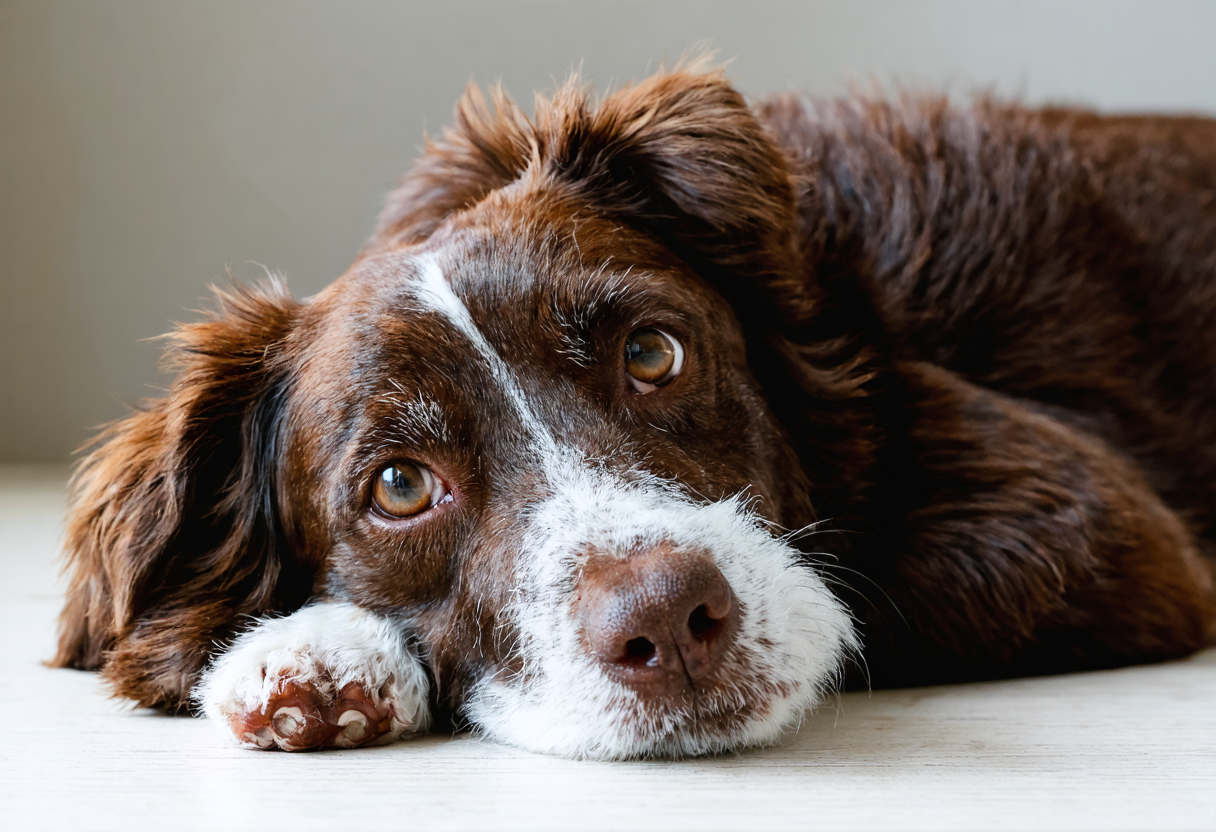
If you are searching for low maintenance dogs for first time owners, I want to start with an honest note: I would be skeptical of any claim that a dog is truly no-maintenance. Dogs need food, exercise, training, grooming, medical care and your company. What changes from dog to dog is how much of each, and whether that amount fits the life you actually have.
The good news is that some dogs are an easier match for a beginner than others. This guide covers what "easy" can mean, which kinds of dogs tend to suit first-timers, whether a German Shepherd is a sensible first dog, and why a senior dog deserves a place on your short list.
What is the best dog for first-time owners?
There is no single best breed, and I would be wary of any list that claims one. The best dog for a first-time owner is the one whose needs line up with your daily routine, your home, your budget and your patience. A dog that is a perfect fit for a retired person who walks twice a day could be a poor fit for someone who works long hours and wants to run marathons.
Before you look at any dog, answer a few plain questions about yourself. How many hours a day will the dog be alone? How much exercise can you offer during a bad-weather week, not just a sunny one? Are you willing to brush a long coat, or do you want something that needs very little grooming? Do you live in an apartment with stairs, or a house with a yard? Is anyone in your home elderly, very young, or allergic?
Once you know your own answers, a good starting point is often a medium-sized or smaller adult dog with a moderate energy level, a manageable coat, and a calm, people-friendly temperament. An adult dog is easier to read than a puppy, because you can see the personality you are getting. Puppies are adorable, but they ask for close supervision, house-training, chewing patience and many early training lessons, which is a lot for someone learning the ropes.
Also keep in mind that breed is only a starting point. Two dogs of the same breed can have very different energy and temperament. Whenever you can, ask the shelter or rescue staff or foster caregivers how a particular dog behaves day to day.
What are good dogs for first-time owners?
Rather than naming breeds as if they were promises, it helps to describe the traits that make a dog easier for a beginner. Good dogs for first time owners often share several of these traits.
The first is a moderate energy level, so a couple of walks and some playtime meet their needs. The second is a size you can physically manage, including on a leash, in a car, and at the vet's office. The third is a coat that fits your tolerance for grooming and shedding. Next comes a willingness to learn and an interest in pleasing people or working for treats. Then there is a relaxed attitude toward being handled, which makes nail trims, brushing and exams less stressful. Finally, look for comfort with being left alone for a reasonable stretch, without panic.
In practical terms, that often points toward calm adult dogs of many kinds: mixed breeds from shelters, smaller companion-type dogs, and gentle older dogs who have already settled into a quieter pace. Many adult and senior dogs arrive already knowing basic household manners, though not all of them do, so ask.
A few cautions apply even to easy-going dogs. Small dogs can need regular attention to their teeth and may be more fragile around young children. Short-coated dogs may shed less visibly but still need brushing. Calm dogs still need walks and mental stimulation, because a bored dog of any temperament can find ways to entertain itself that you will not enjoy. If you have questions about a particular dog's size, coat or health needs, your veterinarian is the right person to ask.
Are German Shepherds good dogs for first time dog owners?
They can be, but a German Shepherd is not what I would call a low maintenance choice, and some beginners find the breed more demanding than they expected. German Shepherds are large, athletic, intelligent working dogs. That intelligence is wonderful when you have time to channel it, and a problem when you do not.
Here is what a first-time owner should think through. Exercise and mental work come first: a dog like this often needs more than a short walk, and training games, puzzle feeders and structured activities help keep a smart dog settled. Training and socialization matter too. A large, strong dog needs reliable manners, and group classes or a qualified trainer can make a big difference for a beginner.
Grooming is another factor, since Shepherds shed a good deal, so expect hair on your floors and clothes. Size and strength count as well, because a big dog that pulls on the leash is harder for a new handler to manage. Finally, think about health in later years. Large breeds can face joint and mobility concerns as they age, so it is worth asking your vet what to plan for.
So the honest answer is this: a committed beginner who has time, enthusiasm and a plan for training can do well with a German Shepherd, especially an adult whose temperament is already known and who has had some training. But if your main goal is a dog that is easy to care for with a modest time commitment, a calmer, smaller or less demanding dog may serve you better. Shepherd mixes in shelters can vary a great deal, so judge the individual dog in front of you rather than the label on the kennel card.
What "low maintenance" actually means
When people say low maintenance, they usually mean one or more of a handful of things, and it helps to know which matters most to you.
Some mean low exercise needs: a dog who is content with moderate daily activity. Some mean low grooming needs: a coat that does not mat, or a dog who tolerates brushing without fuss. Some mean easy training: a dog who picks up cues quickly and is not constantly testing limits. Others mean independence: a dog who can rest quietly while you are at work, within reason. And some mean fewer health demands: a dog whose care does not call for lots of special diets, medications or appointments.
Notice that these do not come in one neat package. A dog with a short coat may have lots of energy. A mellow dog may have health needs that require regular vet visits. That is why I would rather you choose by the combination that suits you than chase the phrase "easy care dog" as if it described a type.
And please be realistic about the basics that no dog can do without: food, fresh water, a safe place to rest, regular walks, identification, preventive veterinary care, and affection. Plan your time and your budget for those before you fall for a face.
Easy-to-train dogs: what to look for
People often search for the easiest dogs to train or easy-to-train breeds, and it makes sense, because training is where many first-time owners feel the most pressure. A few thoughts may help keep this in perspective.
Trainability is not only about breed. A dog's past experiences, age, health, confidence and motivation all play a part. A food-motivated dog who enjoys working with people often learns quickly, whatever the paperwork says. A shy or anxious dog may need more patience and gentle confidence-building, even if the breed has a reputation for being clever.
Your own habits matter just as much. Short, upbeat training sessions, clear and consistent cues, rewards for behavior you like, and a predictable routine help many dogs learn. The people in your household should use the same words and rules. If you feel stuck, a qualified trainer who uses reward-based methods can coach you as much as the dog.
If a behavior seems to come from fear, pain or sudden change, such as a dog who was calm and now snaps or has accidents, talk to your veterinarian before assuming it is a training problem.
Why a senior dog can be a smart first dog
I may be biased, and I will say so plainly. The charity is named after Lily, a senior dog Sam adopted when she was already 10 years old. Lily gave Sam seven years before passing at 17 (kidney failure).
Bias aside, there are practical reasons an older dog can suit a beginner. A senior dog's size, energy and personality are already visible, so you are not guessing how a puppy will turn out. Many older dogs have settled into a calmer pace and are content with gentler walks and plenty of couch time. Some already know household manners, and many simply want a warm place and a person.
There are trade-offs, and you deserve to hear them. Older dogs may have health conditions, may need more frequent veterinary visits, and may move more slowly on stairs or slippery floors. Some need a little time to settle into a new home and may carry habits from their past. Ask the shelter for any medical history they have, and plan your time and finances for the care an aging dog may need. None of this makes a senior dog the wrong choice. It makes it an informed one.
When to talk with your vet before you choose a dog
A veterinarian can help you think through the practical side of a decision like this, and it is worth a conversation before and after you bring a dog home. Here is when I would reach out.
Talk to your vet before adopting if you want to understand what care a particular size, age or health history might involve. Book a first exam soon after adoption to talk through vaccines, parasite prevention, dental health and diet. Call if an older dog shows changes in appetite, thirst, weight, energy, mobility or bathroom habits. Call if a behavior problem appears suddenly, since pain or illness can be part of the cause. And ask if you are unsure whether a dog's exercise needs, coat or health concerns fit your household.
Your vet can also point you toward trainers, groomers and other help in your area, and can explain what to expect as your dog ages. Do not rely on a breed list, including this one, to make the decision for you.
If you take one thing from this article, let it be this: the easiest dog for a first-time owner is not a particular breed but a good match. Be honest about your time, ask questions about the individual dog, and keep an open mind about adult and senior dogs who are waiting for someone like you.
Sources:
- https://www.akc.org/
- https://www.aspca.org/
- https://www.humanesociety.org/