
Guide
Old Dog Behavior: What Is Normal and What to Ask Your Vet
November 1, 2026
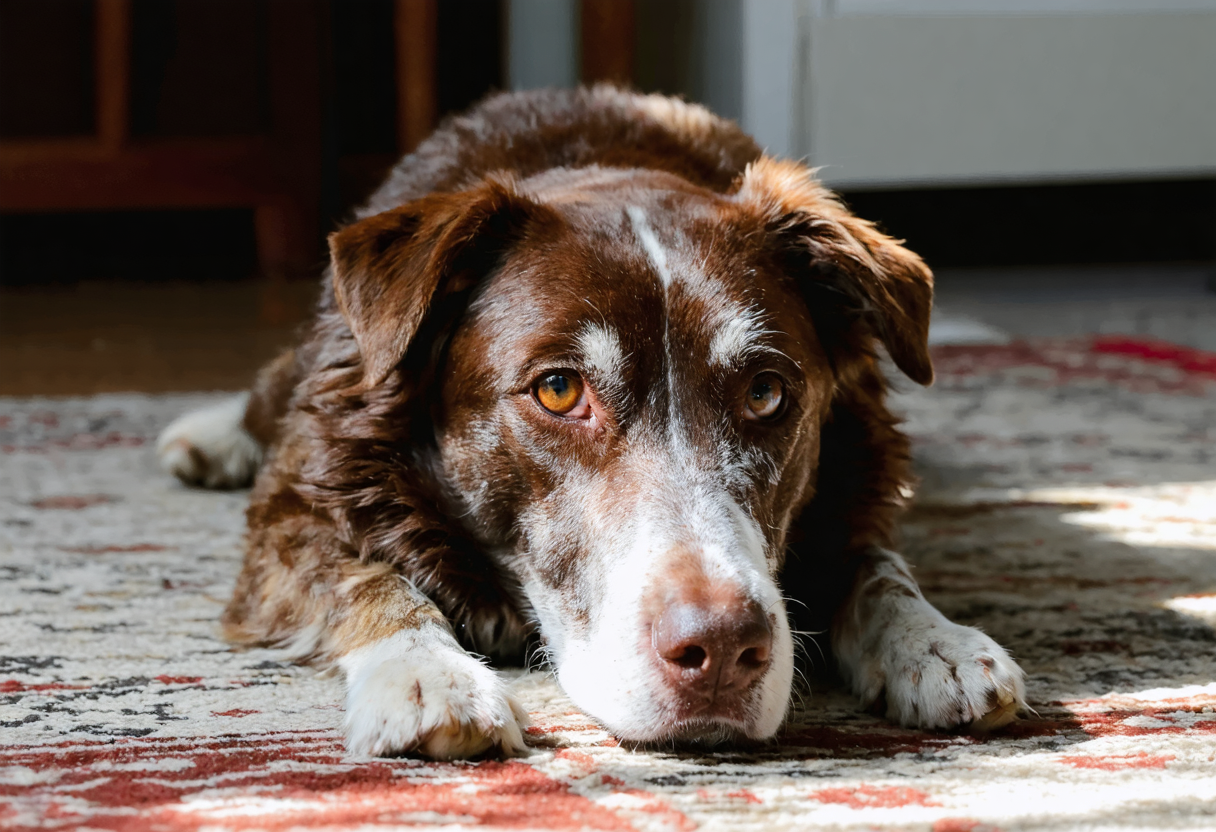
If you share your home with an aging dog, you have probably noticed that old dog behavior does not look quite like it did a few years ago. Maybe your dog sleeps through the doorbell, hesitates at the stairs, or paces at 2 a.m. Some of these changes are a normal part of getting older. Others can be your dog's way of showing that something hurts, or that the world has become confusing. This guide answers common questions about senior dogs in plain language, so you can tell the difference and know when to pick up the phone.
A quick note before we start: I am not a veterinarian, and nothing here is a diagnosis. Behavior is one of the main ways a dog communicates, and a sudden change is a reason to involve your veterinarian, not a reason to assume the worst or to blame your dog.
Is it unethical to euthanize an old dog with behavior problems?
This is a heavy question, and people who ask it are often exhausted, worried, and carrying a lot of guilt. So let me answer it as gently and directly as I can: choosing euthanasia is not automatically unethical. It is also not a decision to make quickly, alone, or in the middle of a bad week.
The ethical question is less about the behavior itself and more about what is behind it and whether it can be helped. Many behavior problems in older dogs can have a medical cause. Pain, an infection, poor sleep, hearing or vision loss, and age-related cognitive changes can show up as snapping, house soiling, panic, or endless pacing. If a cause like that is found and treated, the behavior may improve. That is why the first step is a thorough exam with your veterinarian before anyone talks about endings.
If your dog has been fully evaluated, you have tried the options your vet suggested, and your dog is still suffering, frightened much of the time, or unsafe to live with, then a peaceful death can be a compassionate choice rather than a failure. Safety matters too. A dog who bites and cannot be managed safely, especially around children or other pets, places a heavy burden on a family, and acknowledging that is not selfish.
What I would gently push back on is making the decision out of frustration, or because nobody checked for a treatable problem. Ask your vet to talk through your dog's quality of life with you honestly. Questions worth bringing up: Is my dog in pain? Does my dog still enjoy eating, resting comfortably, and being near us? Are the bad days outnumbering the good ones? A good veterinarian will not judge you for asking, and can help you weigh what is best for your particular dog and household.
Do dogs exhibit behavior problems when they're old?
Some do, but it is not a given, and many senior dogs stay sweet, steady companions well into their teens. Age does bring changes in the body and brain, and those changes can show up as new behaviors. It helps to think of a "problem" as a message rather than a flaw in character.
Here are some common reasons an older dog's behavior shifts:
Pain. Arthritis and other sources of discomfort can make a dog grumpy, reluctant to be touched, or unwilling to jump, climb, or go for walks. A dog who once loved being picked up may suddenly growl.
Sensory loss. A dog who cannot hear well may startle when touched while sleeping. A dog whose vision is fading may become clingy, hesitant in dim rooms, or nervous in new places.
Cognitive changes. Some senior dogs develop a condition sometimes compared to dementia in people. It can involve confusion, disrupted sleep, getting stuck in corners, or forgetting house training. Only a veterinarian can sort out whether this is what is going on.
Other health conditions. Problems with the kidneys, thyroid, teeth, digestive system, or bladder can affect how a dog acts, including how often they need to go outside.
Changes in routine or household. Older dogs can find change harder to handle. A move, a new baby, a new pet, or even rearranged furniture can unsettle them.
The takeaway is that a new behavior in an older dog deserves attention. It might be small and harmless, or it might be the first visible sign of something your vet can help with.
What are common behavioral changes in 9 year old dogs?
Nine sits right at the edge of "senior" for many dogs. Larger breeds are generally considered to reach their senior years earlier than smaller ones, so a 9 year old giant breed may already be quite elderly, while a small dog of the same age may still act middle-aged. A 7 year old dog may only be starting to slow down, while a 12 year old dog or a 13 year old dog is often well into the senior years. Individual dogs vary a lot, so use these as general patterns, not a checklist.
Changes people commonly notice around age 9 include:
More sleep and slower starts. Your dog may nap more, take longer to get up in the morning, and tire sooner on walks.
Less interest in play. A dog who used to bring you a toy twenty times may now watch the toy roll by. Shorter, gentler play may still appeal.
Stiffness with stairs, couches, or the car. Hesitating, needing a boost, or choosing not to jump can point to sore joints. This is worth mentioning to your veterinarian.
Changes in appetite or thirst. Eating more slowly, being pickier, or drinking noticeably more or less than usual are things to report rather than just watch.
New sensitivity to noise or touch. Some dogs become jumpier around thunder, fireworks, or visitors, or pull away when handled in certain spots.
Accidents in the house. A dog who has never had an accident and now does is not being spiteful. This is a medical question first.
More clinginess or more distance. Some dogs follow you from room to room. Others seem to withdraw. Either can be a response to discomfort or sensory changes.
None of these automatically means something is wrong, but several of them together, or any that appear suddenly, are good reasons to schedule a visit.
What kind of behavior might old dogs display?
Beyond the changes above, older dogs can show a wide range of behaviors. Some are gentle and charming. Others are harder to live with. Here is a broad look at what you might see.
Calm and mellow habits. Many seniors settle into a slower rhythm. They may prefer a favorite spot, a predictable meal time, and short sniffy walks over long hikes. Some people find this easygoing quality is a big part of the appeal of living with an older dog.
Repetitive routines. Old dog habits often become more set. Your dog may insist on the same path, the same bed, or the same time for dinner. That comfort in routine is common and usually harmless.
Restlessness and pacing. Wandering around the house, especially in the evening or at night, can point to discomfort, anxiety, or cognitive changes.
Vocalizing. More barking, whining, or howling can come from confusion, pain, hearing loss, or a need to go out.
Separation distress. A dog who was fine alone for years may start panicking when left.
Irritability. Short tempers, growling when approached, or snapping when startled can come from pain or from not seeing or hearing you coming.
Signs of confusion. Staring at walls, standing at the wrong side of a door, or seeming to forget familiar people or places deserves a vet conversation.
If you are caring for an elderly dog at home, the key is to compare against your own dog's usual self. You know them best. Writing down what you see, when it happens, and how often can make your vet visit far more useful.
Anxiety in older dogs, including at night
Anxiety in older dogs is common enough that it deserves its own section. An aging dog may worry more because the world feels less predictable. They may not hear you come home, may not see well enough to recognize a shape in the hallway, or may feel physical discomfort they cannot explain.
Night can be especially hard. Dim light makes vision worse, the house is quiet, and a dog who is uncomfortable or disoriented may pace, pant, or cry. If you have an older dog whining at night, or an elderly dog crying at night, consider a few possibilities and mention them to your vet: pain that is worse when lying down, a need to relieve themselves, being unable to settle, or confusion about where they are.
Things you can do at home while you wait for your vet appointment include keeping a steady evening routine, offering a final trip outside before bed, making the bed easy to get into and comfortable, leaving a soft night light on, and staying close so your dog can find you. Calm, quiet reassurance helps more than scolding. Ask your veterinarian before trying any calming product or supplement, since what suits one dog may not suit another.
Whining, crying, and an older dog becoming aggressive
Two of the most upsetting changes are noise with no obvious reason and sudden aggression. If your old dog cries for no reason, or your old dog whines all the time, it can feel like nothing you do helps. Still, from your dog's point of view there is usually a reason, even if you cannot see it yet. Common candidates include pain, a full bladder, hunger or thirst, loneliness, loss of hearing, and confusion. Notice when the sound happens. Does it come after lying down, when you leave the room, or when they cannot find you? Those clues are valuable to your veterinarian.
When an older dog becomes aggressive, safety comes first. Give your dog space, avoid hovering or cornering, and keep children and visitors from handling them until you have answers. Growling and snapping are warnings, and punishing them can make a frightened dog less willing to warn you next time. Because pain can trigger aggression, a veterinary exam is the right next step. A qualified professional can also help you design a safe plan at home.
How to support a very old dog at home
A very old dog often does best when life becomes simpler and more predictable. Small changes can make a big difference in comfort and confidence.
Make the floors easier. Rugs or runners on slick floors help dogs with weak legs keep their footing. Ramps or steps can replace jumps.
Keep essentials close. Water, a comfortable bed, and an easy route outside should not require a long trip or a staircase.
Stay consistent. Feed, walk, and go to bed at roughly the same times. Avoid rearranging furniture if your dog's vision is poor.
Adjust exercise. Shorter, gentler walks often suit seniors better than one long outing. Let your dog sniff, since it is mentally satisfying.
Use gentle mental activity. Easy food puzzles, short training games with familiar cues, and new smells can keep your dog engaged without strain.
Handle with care. Approach from the front, speak softly, and let your dog know you are there before you touch them, especially if they sleep deeply or cannot hear well.
Be patient with accidents. Take your dog out more often, use washable bedding, and talk to your vet instead of scolding.
And if you are thinking about adopting a senior, know that many of the quirks above are manageable. Many senior dogs are past the chewing and chaos of puppyhood, and some adopters find a calm, settled companion is exactly what they were hoping for.
When to talk to your vet about old dog behavior
Talk to your veterinarian whenever your dog's behavior changes in a way that is new, sudden, or worrying. You do not need to wait until it becomes severe. Specific reasons to call include:
A sudden change in temperament, such as new growling, snapping, or hiding.
Loss of house training, or changes in how often or how much your dog urinates or drinks.
Night waking, pacing, or crying that is new or getting worse.
Signs of confusion, like getting stuck in corners or seeming lost in familiar rooms.
Reluctance to move, limping, or yelping when touched.
Changes in appetite, weight, or energy.
Any behavior that makes your home unsafe for people or other pets.
Bring notes about what you are seeing, when it started, and what seems to make it better or worse. A short video on your phone can be very helpful. Your vet may recommend an exam, tests, a pain assessment, changes at home, or a referral to a veterinary behavior specialist. Please do not try to treat behavior with leftover medicine or a supplement you found online; your veterinarian can tell you what is appropriate for your dog.
If you are facing the harder question of whether it is time to say goodbye, your veterinarian is also the right partner for that conversation. You are not failing your dog by asking. Paying attention, getting answers, and making decisions with love and good information is what a thoughtful caregiver does.
Sources:
- https://www.aspca.org/pet-care/dog-care/common-dog-behavior-issues/behavior-problems-older-dogs
- https://www.avma.org/
- https://www.vcahospitals.com/