Guide
Senior Dog Diarrhea: What to Do, Feed, and Ask Your Vet
Sam Darraj · November 6, 2026
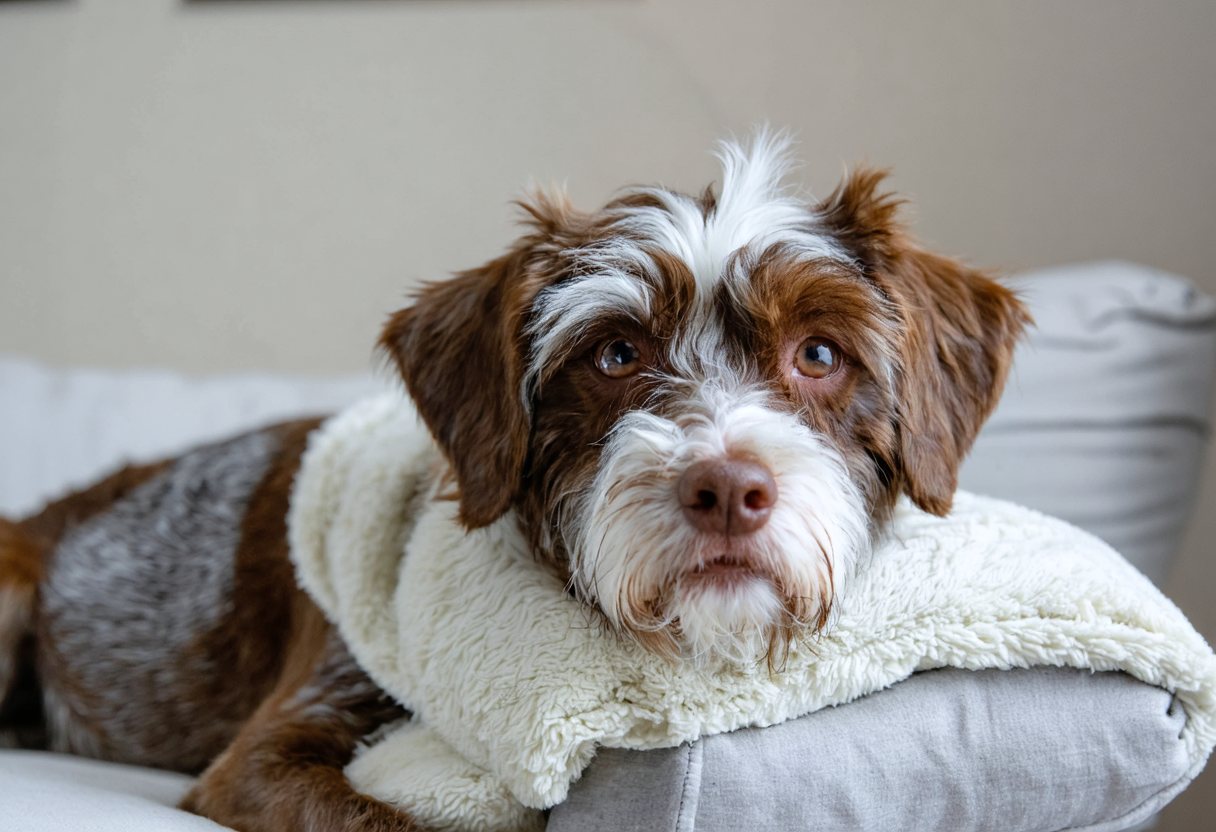
Senior dog diarrhea is one of those problems that can turn out to be nothing much or something that needs prompt attention. With an older dog, you often can't tell which from the puddle alone. That uncertainty is the reason I want to walk through this slowly and plainly. If you have also seen it written as diarrhoea in old dogs, it is the same problem with a different spelling.
This article is general information, not a diagnosis. Your veterinarian is the person who can examine your dog, look at their history, and tell you what is going on. What follows should help you handle the first few hours sensibly, understand the common reasons older dogs get loose stool, and know what to tell your vet when you call.
What can I give my senior dog for diarrhea?
The short answer is: be careful, and ask your veterinarian before giving anything beyond fresh water. It is tempting to reach into the medicine cabinet, but human anti-diarrhea tablets and pink stomach-relief liquids are not safe to assume for dogs. Some contain ingredients that can irritate the stomach or cause harm, and older dogs are more likely to have kidney, liver, or heart conditions that change what is safe for them. The same goes for leftover medicine from a previous illness. A drug that helped one problem can make another worse.
What is generally reasonable to offer on your own is simple: clean, fresh water, a quiet place to rest, and easy access to the yard or to a spot where accidents are not a crisis. Diarrhea pulls fluid out of the body, and older dogs can become dehydrated more easily than a young, healthy adult. If your dog will not drink, or drinks and then vomits it back up, that is a reason to call the clinic rather than wait.
Other things your vet may suggest, depending on your dog, include a short-term bland diet, a probiotic made for dogs, a fiber source, or a prescription medicine if a cause is found. I am deliberately not giving amounts or schedules for any of these. The right choice and the right quantity depend on your dog's size, age, medications, and health history, and that is a decision for your veterinarian. If your dog is on long-term medication for arthritis pain, heart disease, or another condition, mention it, because some medicines can themselves upset the gut.
One more caution: do not give a supplement or home remedy you read about online without checking first. Natural does not mean harmless, and some products can interact with a senior dog's prescriptions.
What to do when your senior dog has diarrhea?
Start by looking closely, because the details help your vet. Is the stool soft, watery, or mixed with mucus? Is there red blood, or is it dark and tarry? Is your dog acting like themselves, interested in a short walk and a bit of company, or flat, hunched, and unwilling to move? A dog with one loose stool who is bright and hungry is in a different position from a dog with repeated watery stool who is shaking and avoiding food.
Then go through a short mental checklist:
Check for recent changes. A new food, a new treat, table scraps, a chew toy, something eaten on a walk, a stay in a kennel, a trip, or a stressful event in the house can all be behind it.
Check for other signs. Vomiting, belly tenderness, a swollen belly, pale gums, weakness, fever, or heavy panting all raise the level of concern.
Check for medicines. Has your dog started or changed a medication lately? Tell your vet even if it seems unrelated.
Keep fresh water available and keep your dog comfortable. Clean up promptly and wash your hands well afterward, since some causes of diarrhea, such as parasites and certain bacteria, can spread to other pets and sometimes to people. If you have other dogs, keep an eye on them too.
Take a photo of the stool, or note its look, color, and how often it happens. It sounds awkward, but a clear picture on your phone can tell a veterinary team more than a long description. If your clinic asks for a stool sample, bring a fresh one in a clean container, as they direct.
I would not fast an older dog on your own initiative. Some vets do recommend a brief rest from food for certain dogs, but seniors, small dogs, and dogs with conditions such as diabetes can run into trouble if they go without food. Call and ask what is right for yours. A phone call to your clinic is a reasonable first step, even if the answer turns out to be watch and wait.
What to feed a senior dog with diarrhea?
When the gut is irritated, the goal is food that is gentle and easy to digest. A short-term bland diet is a common suggestion, meaning a plain, cooked, lean protein paired with a plain, easily digested starch, with no seasoning, butter, oil, onions, or garlic. Some veterinarians prefer a prepared veterinary gastrointestinal diet instead, which is formulated to be gentle and nutritionally complete. Which one suits your dog is worth asking about, because a homemade bland diet is not balanced for long-term feeding.
I am leaving out portion sizes and timetables on purpose. How much and how long depends on your dog's weight, health conditions, and how they respond. Your vet can give you those details, and can also tell you how to move back to the regular diet. Going back too fast is one possible reason loose stool returns.
A few general principles help:
Keep it boring. This is not the time for treats, chews, rich leftovers, or new foods. Fatty foods in particular can be hard on an older dog's gut and pancreas.
Make changes slowly. Once stool firms up, a gradual return to the usual food, mixing the old and new over several days as your vet advises, is easier on the system than an abrupt switch.
Watch appetite. An older dog who refuses even bland food, or who eats and then vomits, needs to be seen. Loss of appetite alongside diarrhea can point toward something beyond a simple upset.
Think about texture and temperature. Some seniors with sore teeth or nausea eat better when food is soft and just warmed to room temperature. Check with your vet if your dog has dental disease or trouble swallowing.
If your dog has a known condition, such as kidney disease, diabetes, or a food allergy, the bland diet may need to be adjusted. Do not assume the standard approach fits. Tell your vet about the condition when you call.
Why do senior dogs get diarrhea?
Older dogs get diarrhea for many of the same reasons younger dogs do, plus a few that become more likely with age. Some causes are minor and pass on their own. Others signal an underlying illness.
The common causes include eating something unusual, such as garbage, spoiled food, or fatty scraps, a sudden change in diet, and stress. Intestinal parasites and infections caused by bacteria or viruses can also trigger it, and they are worth ruling out even in dogs who spend most of their time at home.
The age-related causes are what make this worth taking seriously in an older dog. The digestive tract, like other systems, can change as a dog gets older. Chronic conditions that become more common in later life can show up as loose stool, sometimes on and off for weeks. Examples include:
Kidney disease, which can cause nausea, poor appetite, and gut upset.
Liver disease, which affects digestion and how the body handles waste.
Pancreatic problems, including inflammation of the pancreas or a pancreas that does not make enough digestive enzymes.
Inflammatory bowel disease and food sensitivities, in which the lining of the gut is chronically irritated.
Hormonal conditions, such as Addison's disease, which can include gastrointestinal signs.
Tumors of the digestive tract or nearby organs, which are more likely in older dogs.
Medication side effects. Pain relievers, antibiotics, and several other drugs can disturb the stomach and bowel.
I list these not to frighten you but to explain why a vet visit matters more for a senior than for a young dog with one soft stool. Many of these conditions can be managed when found early, and the first sign is sometimes nothing more than changed stool.
Why does my senior dog have diarrhea?
No article can answer that for your particular dog. The honest answer is that the cause depends on your dog. What I can do is help you narrow it down so your vet can work faster.
Think about timing first. Diarrhea that begins suddenly, after a likely trigger like a dropped sandwich or a new chew, and clears up quickly in a dog who otherwise feels fine, points toward a short-lived upset. Diarrhea that keeps coming back, lingers for weeks, or comes with weight loss, a poor coat, increased thirst, or a change in appetite suggests something ongoing.
Then think about the type. Vets often distinguish between small-bowel and large-bowel diarrhea. Large-bowel diarrhea tends to show up as frequent, small, urgent stools, sometimes with mucus or fresh blood and straining. Small-bowel diarrhea is more often large-volume stool, less frequent, and may come with weight loss. You do not need to diagnose this yourself, but noticing whether your dog is going often in small amounts or less often in large amounts is useful information.
Then think about the whole dog. Is your dog drinking more or less than usual? Vomiting? Losing weight even though they eat? Slower on walks? A dog who has diarrhea and also seems quieter than normal is showing you two signs together, and that combination is worth mentioning.
Your vet may recommend a physical exam, a stool test, blood work, urine tests, or imaging, depending on what they find. Those tests are how a cause gets identified, and they matter in older dogs because several conditions can look alike from the outside.
Can senior dog food cause diarrhea?
Yes, food can be a cause, though it is rarely as simple as the label saying senior. A food made for older dogs is not inherently a problem. A diet can cause loose stool in a particular dog for a few reasons:
A sudden switch. Changing foods abruptly, even to a higher-quality or age-appropriate one, can upset the gut. A gradual transition over several days gives the digestive system time to adjust, and your vet can advise on pacing for your dog.
An ingredient the dog does not tolerate. Dogs can have food sensitivities or allergies at various ages, and some develop them later. The most reliable way to sort this out is a structured diet trial planned with your vet, not guessing and swapping foods.
Too much fat or rich extras. Adding toppings, table scraps, or fatty treats on top of a senior diet can cause trouble, especially in dogs prone to pancreatitis.
Spoiled or improperly stored food. Old kibble that has gone stale or been exposed to moisture, or opened canned food left out too long, can cause stomach upset.
A mismatch with your dog's health needs. Some older dogs need specific diets because of kidney, heart, or digestive disease. Feeding a food not suited to the condition can contribute to gut upset.
If the diarrhea began soon after you changed foods, say so when you talk to your vet. Keep the bag or can handy so you can read out the ingredients and the Guaranteed Analysis panel, which lists minimum and maximum nutrient levels, if the vet asks. Avoid hopping between several foods in a hurry. Constant switching makes it harder to tell what is helping and what is not.
When an old dog has diarrhea at night
A night-time accident can be distressing for both of you. If your old dog has diarrhea at night, or wakes you to go out, it is worth noticing, because older dogs who were reliably clean may begin having accidents for several reasons. Sometimes the gut is simply moving at all hours during an upset, and night is when you notice. Sometimes a dog with sore joints cannot get up fast enough, or a dog with cognitive changes forgets where to go. Reduced control over the bowel can also happen with age.
For comfort and cleanup, make the path to the door easy and well lit, use washable bedding, and consider easy-to-clean flooring near where your dog sleeps. Let your dog out just before bed. Do not scold. A dog who has an accident is not misbehaving, and punishment makes dogs anxious, which can make things worse.
If night-time diarrhea happens more than once, tell your vet. Try to note how often it happens, what the stool looks like, and whether your dog is also restless, panting, or pacing, which may mean discomfort.
Pooping a lot, but not diarrhea
Sometimes the problem is frequency rather than loose stool. A senior dog who is pooping a lot without having diarrhea might be eating more than before, eating a food with more fiber, or reacting to a diet change. It could also reflect a medical issue, for example a digestive disorder that keeps the body from absorbing nutrients well, which can lead to larger or more frequent stools and weight loss despite a good appetite.
On the other hand, a dog who goes often in small amounts and strains may have large-bowel irritation or even constipation, which can look a lot like diarrhea. Lots of trips outside with little result is a different problem from lots of loose stool, and your vet will want to know which you are seeing.
Jot down how many times a day your dog goes, what it looks like, and whether appetite and weight have changed. Compare that with their usual pattern. A lasting change in a senior dog's bathroom habits deserves a conversation with the vet, even when the stool itself looks formed.
Signs that need attention sooner
Some signs mean you should not wait to see if things settle. Contact your veterinarian or an emergency clinic promptly if you notice any of these:
Blood in the stool, or black, tar-like stool.
Repeated vomiting along with diarrhea.
Signs of dehydration, such as dry or sticky gums, sunken eyes, or skin that is slow to settle back when gently lifted.
Weakness, collapse, or unusual sleepiness.
A swollen or painful belly, restlessness, or a hunched posture.
Refusing food or water.
A very small dog, or a dog with a chronic illness such as kidney disease, diabetes, or heart disease, having diarrhea at all.
Possible exposure to a toxin, a foreign object, or a medication meant for a person.
When in doubt, call. Clinic staff can tell you whether to come in right away, and an early phone call costs little compared with waiting too long.
When to talk to your vet about diarrhea in older dogs
Here is the practical rule I would offer: because dehydration and hidden illness are bigger concerns in older dogs, it is sensible to talk to your veterinarian when diarrhea lasts beyond a day or so, keeps returning, or comes with other signs of illness. Even a single episode in a frail or very small senior is worth a phone call. You know your dog's normal better than anyone else in the house, and if something feels off, that feeling counts.
Before the call or visit, gather what you can: when it started, how often, what the stool looks like, any blood or mucus, recent food or treat changes, any medications or supplements your dog takes, and any other symptoms. Bring a stool sample if your clinic asks. Write down questions too, such as whether a bland diet is appropriate, whether a probiotic makes sense, and what signs should send you back.
Please do not start medicines, supplements, or special diets on your own for a senior dog, and do not give human medicine. Your vet can look at your dog's whole picture, including age, weight, medications, and other conditions, and give advice that fits.
Diarrhea in an older dog is stressful, but you can meet it with a calm, careful approach: keep water available, keep your dog comfortable, watch closely, and let your veterinarian guide the treatment. Older dogs have a lot of love left to give, and a bit of attention to their gut health helps them enjoy the days they have.
Sources:
- https://www.vet.cornell.edu/departments-centers-and-institutes/riney-canine-health-center/canine-health-topics/diarrhea
- https://www.avma.org/
- https://www.merckvetmanual.com/
- https://www.vcahospitals.com/