
Guide
Senior Dog Exercises: A Gentle, Practical Guide
October 22, 2026
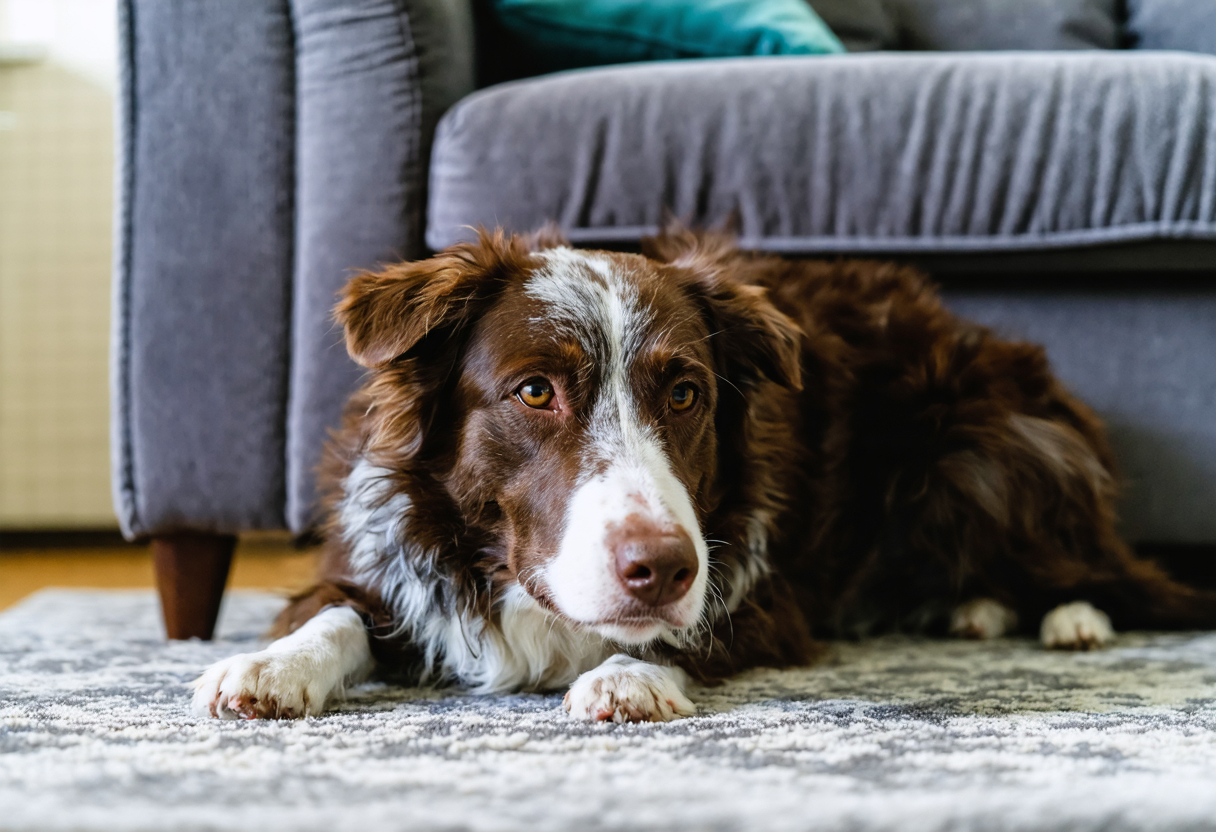
An older dog's body changes, but the wish to move, sniff, and take part in life does not go away. Good senior dog exercises are not about fitness goals. They are about keeping joints moving, muscles working, and a mind busy, while respecting that an older body tires sooner and recovers more slowly.
This guide covers how much movement many older dogs do well with, how to tell when it is too much, simple things to try at home, and how an older person can stay active with a dog. This is general information, not veterinary advice. Your own vet knows your dog's body and is the right person to set the specifics.
How much exercise do senior dogs need?
The right amount varies a good deal from one older dog to the next. It depends on size, breed, past fitness, weight, and health. A 12-year-old terrier who has been active all her life will usually want more than a heavy, stiff, 11-year-old giant breed. Large and giant breeds are also considered seniors earlier than small ones: PetMD puts large breeds as young as 5 to 6 and small breeds closer to 10, so age alone does not tell you much.
PetMD's veterinarian-written guide gives a general figure: at least 30 to 60 minutes of exercise a day for senior dogs, such as two 30-minute walks if your dog is up for it. The same guide says the right amount depends on mobility, breed, and medical history, that daily exercise is for a pain-free dog the vet has cleared, and that for a senior with mobility problems or medical conditions, a 20-minute daily walk can be enough. Treat the range as a guide for a healthy, vet-cleared senior, not a target for all older dogs.
What many older dogs do well with is regular, low-impact movement spread across the day, plus time to sniff and look around. Muscle that is not used gets weaker, and weaker muscle makes standing, climbing stairs, and getting up from the floor harder. Gentle, steady activity helps protect the ability to do those ordinary things.
Think in terms of consistency rather than intensity. A calm walk on most days is usually kinder to an older dog than a long hike on the weekend after a quiet week. Sudden bursts of effort are harder on stiff joints and out-of-practice muscles than a steady routine.
Mental exercise counts too. Sniffing on a slow walk, finding treats hidden around a room, or working through a simple puzzle feeder can tire a senior dog in a satisfying way without stressing the body.
How much exercise should a senior dog get?
Since "how much" is really a question about your individual dog, the best approach is to start small and let your dog show you. If your dog has been quiet for a while, begin with short walks at an easy pace and add a little at a time only if your dog finishes comfortably and moves well afterward. For a dog with arthritis who is not on a regular exercise program, VCA suggests about 10 minutes of walking three times a day, increased week by week if stiffness does not get worse. That is a starting point, not a prescription, and your vet can adjust it.
Several short outings often suit an older dog better than one long one. Two or three brief walks give joints a chance to warm up and rest, and they give your dog more chances to sniff, which many seniors enjoy as much as the walking itself.
A simple check is to watch how your dog is the next morning. If she gets up easily and seems herself, the amount was probably about right. If she is stiffer, slower, sore, or unusually tired, the day before was likely too much, and you should scale back. How your dog is in the day after exercise can tell you more than how she looked during the walk, because some dogs push on out of enthusiasm and pay for it later.
Keep the pace and the ground in mind as well. Flat, even paths and soft surfaces such as grass are kinder than steep hills, hard pavement on a hot day, or slippery floors. Heat and cold both affect older dogs, so plan activity for the comfortable parts of the day.
If your dog has a heart condition, joint disease, or another health issue, ask your veterinarian what level of activity is safe before you build a routine. They can give you limits that suit your dog in particular.
How can a senior adult exercise a dog?
If you are an older adult yourself, a dog can be a good reason to keep moving, and a senior dog can be a good match. Lower exercise tolerance is one of the most common signs of aging in dogs, so many seniors are content with a slower pace. You can both walk at a comfortable speed and stop when either of you needs a rest.
Start with short, frequent walks on even ground. A flat route near home with a bench or two along the way lets you both rest.
Choose equipment that gives you control without strain, such as a well-fitted harness and a leash with a comfortable, secure grip. Leash walking carries a real fall risk: in a study of US emergency department visits, more than half of dog-walking injuries came from falls after the walker was pulled or tripped by the leash, and walkers 65 and older were more likely to break a bone. If your dog pulls, a trainer can help before it becomes a safety problem.
Play from a chair. Gentle games like tossing a soft toy a short distance, or hiding treats for your dog to find, give your dog movement and thinking time while you stay seated.
Keep walking surfaces safe for both of you. Wet leaves, ice, uneven sidewalks, and loose rugs are hazards for people and dogs alike. It also helps to match the dog to your abilities: a calm, small or medium senior who walks nicely on a leash is easier to handle than a large, strong dog who pulls.
It is sensible to check with your own doctor about what level of activity is right for you, especially if balance, heart health, or joints are concerns. Having a plan for who can step in if you have a bad day, such as a neighbor, a friend, or a dog walker, helps keep your dog's routine steady.
How much exercise is too much for a senior dog?
Older dogs often do not tell you they have reached their limit until they are well past it. Learning the signs is one of the most useful things you can do.
During or right after activity, watch for heavy or noisy panting that does not settle soon after you stop, lagging behind, stopping, or sitting down on the walk, limping or an uneven stride, reluctance to continue or turning toward home, and trembling or a stiff, careful way of moving.
In the hours and day after, watch for stiffness getting up, especially the next morning, unusual sleepiness or low energy, soreness when touched or licking at a joint, loss of interest in food or normal activities, and restlessness or trouble settling at night.
If your dog limps, pants heavily, seems to be in pain, or does not want to go on during exercise, stop right away, let her rest, and contact your veterinarian. PetMD and VCA both give this advice, and VCA adds shaking legs or wide eyes as signs to stop. If you only notice stiffness or tiredness later or the next day, shorten or soften the next outing and let your dog recover, and call your vet if the signs are strong, last more than a day or so, or keep coming back.
Too much can also mean too intense rather than too long. Repeated jumping, sudden stops and starts, rough play with younger dogs, and chasing a ball on hard ground put heavy strain on older joints even in a short session. Many senior dogs will happily keep going because they love the game, so you may need to be the one who decides when it ends.
Too little is a concern as well. Resting all day is not a safe default for an older dog, because inactivity can speed up muscle loss and stiffness. The aim is a middle path: enough movement to keep the body working, not so much that it hurts.
Low-impact senior dog exercises to try at home
Check with your vet before starting these, especially if your dog has arthritis, weak hind legs, or another health condition. VCA advises trying balance and coordination exercises like these only once your vet or a veterinary rehabilitation therapist recommends them.
You do not need special equipment for most gentle exercise. These ideas are low-impact and can be adjusted to your dog's ability. Do them on a non-slip surface, keep sessions short, and stop if your dog seems uncomfortable.
Slow, sniffy walks. Let your dog set the pace and stop to investigate. Sniffing is mental work, and the varied pace is good for the body.
Gentle slopes. A mild incline, like a slight grassy rise, asks the hind legs and core to work a little more than flat ground does. Keep it gentle and short, and skip it if your dog struggles.
Weight shifting. With your dog standing square, apply very light, slow pressure at the side of the hips or shoulders so she shifts her weight from one side to the other. This encourages balance and muscle use. Keep it slow and calm.
Treat-led turns and stretches. Holding a treat near the shoulder so your dog turns her head gently to each side encourages a small, easy stretch. Do not push beyond what she offers willingly.
Sit-to-stand. Asking your dog to go from sitting to standing and back a few times, with rests, works the hind legs. Stop at the first sign of struggle or fatigue.
Walking over low obstacles. Laying a few broom handles or poles flat on the ground and walking slowly over them encourages your dog to lift her feet and pay attention to where they land. Keep them flat on the ground or no higher than your dog's ankles, and at least a body length apart at first.
Swimming or water walking can be easy on the joints and suit some dogs, but it does not suit others. Ask your vet first, and use a life vest and close supervision.
Exercise when your senior dog has arthritis
If your dog has stiff joints or has been diagnosed with arthritis, movement is still important, but how you do it matters more. Joints generally do better with regular, gentle, controlled activity than with long layoffs followed by hard exercise.
Keep walks short, level, and predictable, and add a bit of warm-up time at a slow pace before picking up speed. Pick soft, even surfaces over hard pavement where you can, and avoid repeated jumping, twisting, and sudden turns.
Make the home easier to move around in, with rugs or runners on slippery floors, ramps in place of stairs or car jumps, and a supportive bed that is easy to get in and out of. Keeping your dog at a healthy weight also matters, as extra weight adds load to the joints. Your vet can help you judge what a good weight is for your dog.
Pain management is a conversation to have with your veterinarian. Do not give your dog any human pain medicine, and do not start a joint supplement or other treatment without your vet's guidance. They can also tell you whether a rehabilitation professional could help build a plan.
How to strengthen an old dog's hind legs
Many older dogs lose strength in their back legs. You may notice slipping on floors, a hesitant jump into the car, a wobble when standing, or a sinking back end. Building strength can help, but weak hind legs can have several causes, including joint pain, muscle loss, or nerve problems. Because of that, have your veterinarian look at your dog before you begin a strengthening program. Let them tell you whether exercise is appropriate and which kinds.
Once you have the go-ahead, gentle options include regular walks at a slow, steady pace, since consistent movement is the base for everything else. Mild, brief slopes ask the hind legs to push. Sit-to-stand repetitions, a few at a time on a surface with good grip, work the same muscles.
You can also try weight shifting and standing on a slightly soft, stable surface, such as a firm folded mat, to challenge balance. Walking over low poles encourages lifting the feet, and slow walking in wide circles, or weaving around a few cones or chairs, adds variety and asks your dog to think about where her feet go.
Help your dog feel secure while she builds strength. Put non-slip runners on slick floors, keep nails trimmed so feet can grip, and consider a support harness for help on stairs or when getting up. A harness with a handle at the back can let you offer a little lift without pulling on the legs.
Go slowly. Gains in older dogs tend to come gradually, and overdoing it can set progress back. A canine rehabilitation therapist, if one is available near you, can design a plan that suits your dog and show you how to do the exercises properly.
Talking with your vet and starting small
The best exercise plan for a senior dog is one that starts small, stays consistent, and changes as your dog does. Talk to your veterinarian before beginning a new routine, especially if your dog has not been active, has a known health condition, seems to be in pain, or has weak or wobbly legs. Ask what a safe level of activity looks like, which exercises to avoid, and which warning signs should prompt a call.
Call your vet promptly if you see limping that does not ease, a sudden change in how your dog walks, collapse, labored breathing, or a marked drop in energy or interest in the things she normally enjoys. These can mean something more than normal aging, and an exam is the right way to find out.
Otherwise, trust what you see in your own dog. Notice what she enjoys, how she moves the morning after, and when she asks to turn for home. Gentle, regular movement and your company are good for an older dog, and the time you spend on slow walks and small games is part of what makes the senior years good ones.
Sources:
- https://www.petmd.com/dog/general-health/how-to-exercise-your-senior-dog
- https://www.akc.org/expert-advice/health/easy-do-at-home-exercises-for-senior-dogs/
- https://vcahospitals.com/know-your-pet/exercises-to-improve-proprioception
- https://vcahospitals.com/know-your-pet/exercising-dogs-with-osteoarthritis
- https://www.acvs.org/small-animal/osteoarthritis-in-dogs/
- https://vcahospitals.com/know-your-pet/how-do-i-know-if-my-dog-is-in-pain
- https://vcahospitals.com/know-your-pet/creating-a-comfortable-home-for-your-mobility-compromised-dog
- https://www.fda.gov/animal-veterinary/animal-health-literacy/get-facts-about-pain-relievers-pets
- https://pubmed.ncbi.nlm.nih.gov/37057718/