Guide
Senior Dog Incontinence: A Practical Guide for Caregivers
Sam Darraj · November 6, 2026
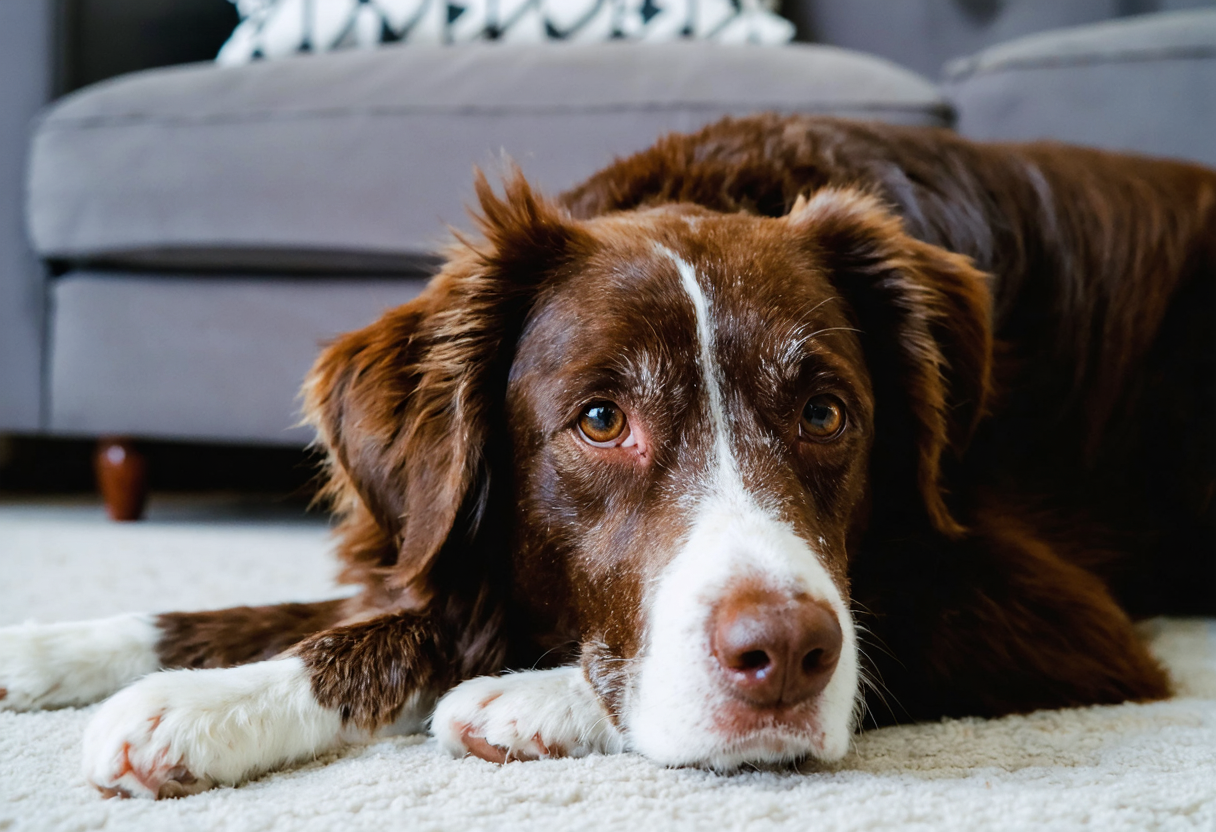
Waking up to a wet bed or finding a puddle where your dog has been resting is hard on both of you. If you are living with senior dog incontinence, you are far from alone, and in many cases something can be done. Your dog is not misbehaving, and a dog who leaks is likely as unhappy about it as you are.
This guide is general information, not a diagnosis. Incontinence has several possible causes, and only a veterinarian can work out which one applies to your dog. What I can do is walk you through the common questions, the practical comforts that make life easier at home, and the points where professional input matters.
How to help a senior dog with incontinence?
Start by treating the leaking as a health signal, not a habit. A dog who was reliably house-trained and now dribbles, wets the bed while asleep, or cannot make it to the door deserves a veterinary visit. Some causes are treatable, and the earlier they are found, the more options you may have.
While you arrange that visit, there is a lot you can do at home to help your dog feel clean, comfortable and unembarrassed.
Offer more chances to go outside. An older bladder may not hold urine as long as it used to, so shorter gaps between outings can mean fewer accidents. Take your dog out first thing in the morning, after meals, after naps, and last thing at night. Stay with your dog and give calm praise when they go in the right place.
Make the way out easier. If arthritis or weak back legs slow your dog down, a long trip to the door can be the whole problem. Non-slip runners on slick floors, a ramp or a low step at the door, and a sleeping spot close to the exit can all help. A dog who struggles to stand up quickly may simply not get there in time.
Protect the bed, not the dog's dignity. Use a waterproof cover under washable bedding, and keep a spare set ready so a change takes a couple of minutes. Changing wet bedding promptly is kinder than leaving a dog to rest in it.
Keep skin clean and dry. Urine sitting against the skin can irritate it, especially on dogs with long coats or limited mobility. Gently wipe or rinse the area with lukewarm water after a leak, dry it well, and ask your vet about trimming long hair around the back end. If you notice redness, sores or a strong smell, mention it at the appointment.
Do not cut back on water to reduce accidents. Dogs need fresh water available, and some of the conditions behind leaking make dogs thirstier, not less. If you are worried about how much your dog is drinking or urinating, tell your vet and let them guide you.
Finally, do not punish a dog for leaking. A dog who is scolded for something they cannot control can become anxious, and that does not help anyone.
Should I put my senior dog down for incontinence?
This is one of the hardest questions a caregiver can ask, and it deserves a gentle, honest answer. Incontinence on its own is often something that can be managed or treated, and many dogs go on to have good, comfortable days with the right support. So for many families, incontinence by itself is not the reason to say goodbye.
What matters more is the whole picture of your dog's quality of life. It can help to ask yourself some plain questions. Is your dog eating and drinking? Can they get up, move around and settle without obvious pain? Do they still show interest in the people they love, in food, in a sunny spot, in a short walk? Is your dog distressed, lying in urine because they cannot get up, or developing painful skin sores? Are there good days as well as bad ones?
Incontinence can also be a sign of something bigger, such as kidney disease, a spinal problem or cognitive decline. In those cases the leaking is not the whole story, and your vet can help you understand what is happening and what the outlook may be.
Many veterinary teams use quality-of-life checklists or scoring tools, and keeping a simple daily note of good days and bad days can make the picture clearer when emotions are running high. Bring that note to your vet. Ask directly what they see, what treatment is possible, and what comfort care could look like.
If the time does come, choosing a peaceful goodbye to prevent suffering can be an act of love. That decision belongs to you and your veterinarian together, and it is not one to make alone in the middle of the night over a wet blanket. Please talk with your vet before making it.
What can I give my senior dog for incontinence?
The safest answer is: nothing until your vet has examined your dog. Please do not give human medicines, leftover prescriptions or over-the-counter products on a guess. Some are harmful to dogs, and the right choice depends on the cause.
Here is why the cause matters. Leaking can come from several different problems, and they are handled differently:
A urinary tract infection or bladder stones may need testing and specific treatment.
Kidney disease, diabetes and some hormone conditions can make a dog drink and urinate more, so the bladder fills faster than the dog can manage.
Weakness of the muscle that closes the bladder outlet is one recognised cause, and it is discussed more often in spayed females, though dogs of either sex can be affected.
Spinal disease or nerve problems can interfere with the signals that control the bladder.
Cognitive decline can cause a dog to forget or lose track of house-training.
Some medicines, including some that treat other age-related conditions, can increase urination.
Because the possibilities are so different, your vet may suggest a urine test, blood work and a physical exam. Depending on what they find, they may prescribe a medicine, change a current medicine, recommend a food suited to a specific condition, or suggest a supplement they trust. I will not name doses or schedules here, because those must come from the person who has examined your dog.
What you can give freely, without a prescription, is practical support: fresh water, a comfortable dry bed, more outings, patience, and time with you. Extra weight can add pressure on the bladder and strain joints, so ask your vet whether your dog's weight is in a healthy range and how to get there safely.
What to do about incontinence in your senior dog?
If you want a short plan, this is the order I would suggest.
First, book a veterinary visit. Describe what you have noticed: when the leaks happen, whether your dog seems aware of them, whether they happen during sleep, whether your dog is drinking more, and whether there is any straining, blood or a strong odor. Photos or short phone videos of how your dog walks and stands can help. If you can safely collect a urine sample as your vet instructs, bring it.
Second, follow the testing and treatment plan. Some causes respond well, and others are managed over the long term. Ask what improvement to expect and what to watch for, and call back if things change.
Third, set up the house for the next stretch. Block off carpeted rooms if you can, put washable rugs over bare floors, and keep cleaning supplies where you need them. Use a cleaner made for pet urine that breaks down odor, since lingering smells can draw a dog back to the same spot.
Fourth, build a rhythm. Regular outings and a predictable routine make accidents less likely and can help dogs with cognitive changes feel secure.
Fifth, use protection that suits your dog. Waterproof bed covers, absorbent pads and dog diapers or belly bands each have a place. The sections below cover them.
Last, look after yourself. Laundry piles up, sleep gets interrupted, and it is easy to feel worn down. Asking a friend to help with a load of washing or a nighttime outing is a fair thing to do.
Old dog bladder control: what changes with age
Bladder control depends on several systems working together: the kidneys that make urine, the bladder that stores it, the muscles that hold it in, the nerves that coordinate them, and the brain and legs that get a dog to the right place at the right time. As dogs grow older, any of these can weaken.
Muscle tone around the bladder outlet can decline. Mobility can fade, so a dog who once trotted to the door now needs a minute to rise. Hearing and sight changes can leave a dog confused at night. Cognitive changes can disrupt learned habits. Illnesses that increase urine production put extra demand on a bladder that was already working harder.
The point is that old dog bladder control is rarely about one thing alone, and it is rarely about stubbornness. If you can tell your vet which type of leaking you see, such as dribbling while walking, puddles after lying down, or full-sized accidents indoors, you give them useful clues.
Old dog leaking urine: what you might notice
Leaking can look different from one dog to the next. Some dogs dribble small amounts while resting and seem unaware of it. You may find a damp patch on the bedding after a nap, or wet fur on the belly and inner thighs. Others have full-volume accidents because they cannot rise or reach the door in time, or because they have forgotten where to go.
Signs that should prompt a call to your vet soon include straining to urinate, frequent small urinations, blood in the urine, crying while urinating, a sudden jump in thirst, vomiting, a loss of appetite, or a dog who suddenly cannot control the back legs. These can point to conditions that need attention. A dog who cannot pass urine at all needs urgent veterinary care.
Noticing patterns helps. A simple log of when your dog drinks, goes out, and leaks over a week or so can give your vet useful details for the appointment.
Do all senior dogs become incontinent?
No. Incontinence is not a certainty for a senior dog, and getting older does not by itself mean a dog will leak. It does become more likely as dogs age, because conditions that can cause it, such as kidney disease, arthritis, hormone problems, urinary infections and cognitive decline, become more common in older dogs.
That is why I would not wave off a new accident as just getting old. It may be something your vet can treat. Equally, if your dog does develop a leaking problem, it does not mean you did something wrong or that your dog has reached the end of a good life.
If you are considering adopting a senior dog, it is reasonable to ask the shelter or rescue about the dog's bathroom habits and any known health conditions. Some dogs may need extra patience while they settle into a new home, since stress and a changed routine can cause accidents in dogs of any age. A vet check soon after adoption is a sensible way to catch issues early.
What dog pads work for an incontinent senior dog?
There is no single answer, because the best option depends on how your dog leaks, sleeps and moves. I will not name brands, but here are the kinds of products and the features worth looking for.
Waterproof, washable bed covers and mattress-style protectors suit dogs who leak while lying down. A cover with a waterproof layer under a soft, quick-drying top lets urine be wicked away from the skin. Having two sets means a clean one is ready while the other is in the wash.
Disposable absorbent pads, often called puppy pads, can protect floors near the door or under a bed. Look for a leakproof backing and a size big enough for the whole resting area. A pad holder or a non-slip surface underneath helps stop pads from sliding. Be careful with dogs who chew, since swallowing pad material is dangerous.
Washable, reusable pads with several layers are an alternative if you are doing laundry anyway. Choose ones with a grippy underside, because a sliding pad can be a fall risk for a dog with weak back legs.
Dog diapers and belly bands are different from pads, because they are worn. Diapers can suit dogs of either sex, and belly bands are often used for male dogs who dribble urine. Make sure the fit is snug but comfortable, with proper tail openings for diapers, and change them promptly to protect the skin. Ask your vet if you are unsure about fit or if your dog develops redness.
Whatever you choose, think about comfort and safety first. A dog should be able to stand, lie down and move without sliding on a pad. Keep the surface soft, avoid thick layers that make standing hard, and check the skin regularly. Pads manage the mess, but they do not treat the cause, so keep the veterinary conversation going.
When to talk to your vet about incontinence
Please talk to your veterinarian as soon as you notice new leaking, even if it seems minor. A visit is the way to find out whether the cause is something treatable, such as an infection, or a long-term condition that needs a plan. Bring your notes about timing, thirst and any other changes, and ask what each test is looking for.
Contact your vet sooner if your dog strains to urinate, passes blood, seems painful, stops eating, vomits, drinks much more than usual, or cannot control the back legs. If your dog cannot urinate at all, treat it as an emergency.
Ask your vet, too, about anything you plan to give your dog, including supplements, special foods and over-the-counter products. Doses, schedules and choices have to be matched to your individual dog. And if you find yourself weighing up quality of life, your vet is the right person to help you think it through with compassion.
The charity is named after Lily, a senior dog Sam adopted when she was already 10 years old. Lily gave Sam seven years before passing at 17 (kidney failure).
Senior dogs give a lot, and a bit of laundry is a small price for the company of a dog who trusts you. With a veterinary plan, a few smart comforts, and patience, many dogs with incontinence can stay comfortable, clean and loved.
Sources:
- https://www.avma.org/
- https://www.aaha.org/
- https://www.merckvetmanual.com/
- https://www.vcahospitals.com/