
Guide
Senior Dog Vomiting: Causes, Warning Signs, and When to Call the Vet
Sam Darraj · November 6, 2026
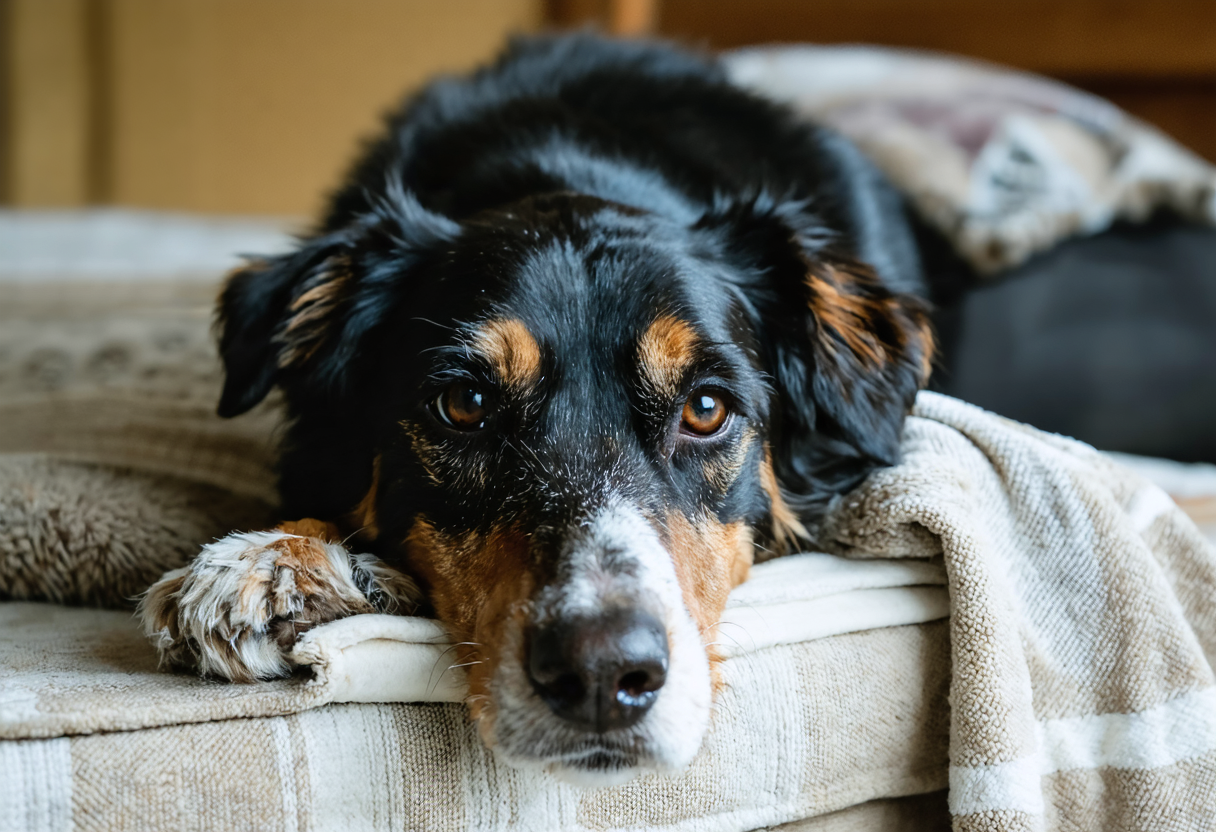
Seeing your older dog throw up is unsettling. A dog who has slowed down, whose muzzle has gone gray, and who depends on you more than before can make even one messy morning feel like a crisis. Sometimes it is a passing stomach upset. Sometimes it is the first visible sign of something that needs treatment. I can't tell you which one you are dealing with, and neither can an article. What I can do is lay out the general picture of senior dog vomiting so you know what to watch for and when to pick up the phone.
This is general information, not a diagnosis. Your veterinarian is the person who can examine your dog, run tests, and tell you what is going on.
Why is my senior dog eating dirt and vomiting?
Dogs eat odd things for many reasons, and dirt is one of them. When eating dirt shows up together with vomiting, the two may be connected. A dog who feels nauseated will sometimes eat grass, dirt, or other non-food items, and then vomit. In other cases the dirt is the cause of the vomiting, because soil can carry bacteria, parasites, fertilizer, pesticide residue, or other things that irritate the stomach.
In an older dog, a sudden new habit of eating dirt deserves attention rather than a shrug. Possible background reasons include stomach or intestinal upset, nausea from another illness, boredom or anxiety, changes in thinking and behavior that can come with aging, or a medical problem that affects appetite and digestion. Kidney disease, liver disease, and other internal conditions can cause nausea in older dogs, and a dog who feels queasy may try to settle it in unusual ways. Some dogs also pick up dirt while sniffing around a spot that smells of food, animal waste, or something spilled.
What you can do at home is limited but useful. Keep your dog away from the spot, especially if the yard has been treated with lawn products or if rodent poisons or snail baits could be nearby. Note how often the dirt eating happens, whether vomiting follows, and what comes up. If you think your dog may have swallowed a chemical or poison, treat that as an emergency and call your veterinarian or an animal poison helpline right away. If the dirt eating is new and the vomiting repeats, book a visit and tell your vet about both.
Should I force feed my senior dog after vomiting?
No. Please don't force feed a dog who has been vomiting. Pushing food into the mouth of a nauseated dog can make the stomach more upset, can lead to more vomiting, and carries a risk of the dog inhaling food or liquid into the lungs, which is a serious problem in its own right. Older dogs with weak swallowing or throat muscles may be even more vulnerable to that.
It is natural to want to get food into a thin, tired old dog. But a dog who refuses food while vomiting is telling you something is wrong, and the answer is to find out why, not to override the signal. The same goes for pushing water by syringe unless your veterinarian has specifically shown you how and told you to.
What is reasonable to do while you wait to speak with your vet:
- Call and ask whether your dog should have food held back for a while and for how long. The answer depends on the dog. A small dog, a very thin dog, a dog with diabetes, or a dog with other health conditions may need a different plan than a healthy adult dog, so this is a question for your veterinarian, not a rule to apply on your own.
- Make sure fresh water is available, and watch whether your dog keeps it down.
- Keep your dog comfortable, warm, and quiet, with easy access to a place to go outside.
- Ask your vet what kind of gentle food, if any, they want you to offer once the vomiting settles, and how to introduce it.
If your dog is interested in food on their own and keeps it down, that is a better sign than a dog who turns away. If appetite does not return, that matters, and it is something to report to your vet rather than fix with force.
When should I take my senior dog to the vet for vomiting?
With older dogs, I lean toward calling sooner rather than later. Senior dogs can have less reserve than younger ones. They may become dehydrated faster, and vomiting may be hiding a condition that has been developing quietly. A single episode in a dog who otherwise acts normal, eats well, and drinks normally may be reasonable to watch closely for a short time, but a phone call to your veterinarian's office is still a good idea so you can ask what they recommend for your particular dog.
Get your dog seen promptly, and treat it as an emergency if you notice any of the following:
- Vomiting that repeats, or vomiting that continues for more than a short period
- Blood in the vomit, or material that looks like coffee grounds
- Trying to vomit with little or nothing coming up, especially with a swollen, tight, or painful belly, restlessness, or drooling. This can signal a life-threatening emergency.
- Weakness, collapse, or unusual sleepiness
- Pale, dry, or sticky gums
- A belly that is painful when touched, or a dog who stands in a hunched or "prayer" position
- Vomiting together with diarrhea, particularly if either contains blood
- Not being able to keep water down
- Known or possible swallowing of a toy, sock, bone, medication, plant, chemical, or human food that is harmful to dogs
- Vomiting in a dog who already has a diagnosed condition such as kidney disease, liver disease, diabetes, heart disease, or Cushing's disease
- Vomiting that began after a new medication was started
Vomiting that comes and goes over days or weeks is also worth a visit, even if each episode seems minor. Repeated mild vomiting is one of the ways chronic illness can show up in older dogs.
When to worry about a senior dog not eating and vomiting bile
Bile is the yellow to yellow-green fluid made by the liver that helps with digestion. When a dog vomits yellow or green foam, it can mean the stomach was empty and fluid was brought up. Some dogs do this now and then, often in the early morning or after a long gap between meals, and your veterinarian can talk with you about whether that pattern fits your dog.
The picture changes when a senior dog is also not eating. Vomiting bile along with a lost appetite means the stomach is upset and the dog does not want to eat, and in an older dog that combination is worth a call to your vet the same day. It can accompany many conditions, including inflammation of the stomach or pancreas, kidney or liver disease, an intestinal blockage, infection, or other illnesses. I'm not listing those to scare you. I'm listing them because a bowl of food left untouched plus yellow foam is a signal to ask for help rather than wait it out.
Pay particular attention if you see any of these along with the bile:
- Your dog skips more than one meal
- Your dog seems tired, withdrawn, or hides
- Gums look pale or yellowish, or the whites of the eyes look yellow
- Your dog drinks much more or much less than usual
- The belly looks swollen or your dog cries or flinches when you touch it
- The vomiting happens repeatedly through the day or night
When you call, be ready to say what the vomit looked like, how many times it happened, when your dog last ate and drank, and whether your dog has been taking any medications. A quick phone photo of the vomit can help your vet, as unpleasant as it feels to take one.
Why is my senior dog vomiting so much?
When an older dog is vomiting so much that you are cleaning up repeatedly, the cause may well be more than a simple tummy ache, and it is a reason to see your veterinarian. Frequent vomiting can come from several different directions.
Diet-related causes include eating something that does not agree with the stomach, such as garbage, table scraps, rich or fatty food, or spoiled food, and a sudden switch to a new food. Some older dogs have more sensitive digestion than they did when they were younger.
Medical causes are a long list, and a few that vets commonly consider in older dogs include:
- Kidney disease, which can leave waste products in the blood and make a dog nauseated
- Liver disease
- Pancreatitis, inflammation of the pancreas
- Diabetes and other hormone-related conditions
- Gastrointestinal inflammation, ulcers, or infection
- Intestinal obstruction from a swallowed object
- Tumors or growths in the digestive tract or elsewhere in the body
- Side effects from medications, including some pain relievers
- Problems with the nervous system or inner ear that cause nausea
Only testing can sort these out. Your veterinarian may start with a physical exam and discuss blood and urine tests, imaging, or other steps depending on what they find. Please don't try to treat ongoing vomiting with human anti-nausea or stomach medicines, or with leftover medicine from another pet. Some products that are safe for people can be harmful to dogs, and giving the wrong thing can mask the problem or make it worse. Ask your vet what is safe for your dog.
It also helps to keep a simple log: the date and time, what the vomit looked like, whether it came soon after eating, and anything unusual that happened that day. Patterns give a vet useful information.
Senior dog throwing up undigested food
Food coming back up whole or nearly whole is worth describing carefully, because it may be vomiting or it may be regurgitation, and those are different problems.
Vomiting is an active process. Your dog usually looks nauseated first, with drooling, lip licking, or restlessness, and then you see the belly heave as the stomach contents are forced out. The material may be partly digested, mixed with fluid, or foamy.
Regurgitation is more passive. Food comes back up with little warning and without much effort, often soon after eating, and it may look like it never reached the stomach, sometimes in a tube-like shape. Regurgitation can point to a problem in the esophagus, the tube that carries food to the stomach. In older dogs, vets may look at conditions that affect how the esophagus moves or how the throat works. A dog who regurgitates is also at risk of inhaling food into the lungs, so this is a good reason to tell your vet about coughing, noisy breathing, or a wet-sounding voice.
If your senior dog throws up undigested food, think about a few simple questions and write down the answers for your veterinarian:
- How soon after eating does it happen?
- Does your dog seem nauseated beforehand, or does the food just come up?
- Does your dog eat very fast, or gulp air along with food?
- Has the food, the bowl, or the feeding routine changed lately?
- Is there coughing, gagging, or weight loss?
Some dogs bring food up simply because they eat too quickly, and your vet may suggest ways to slow mealtime down. But a new pattern of throwing up undigested food in an older dog should not be assumed to be a speed-eating habit. Let your veterinarian make that call.
Helping a newly adopted senior dog with a sensitive stomach
If you have just brought home an older dog from a shelter or rescue, stomach upset in the first days is understandable. A new home, a new routine, stress, a change of food, and unfamiliar treats can all unsettle a dog's digestion. That does not mean you should assume it is only stress. Ask your adoption group for any medical records they have, including current medications and recent diet, and bring them to your first vet visit.
A few gentle habits can help a senior dog:
- Keep the food steady, and make changes slowly with your vet's guidance.
- Skip table scraps, fatty leftovers, and chews that can break into pieces.
- Keep garbage, medications, and toxic plants out of reach.
- Schedule regular senior check-ups, since early detection gives your vet more options.
- Keep a short note of what is normal for your dog, including appetite, thirst, bathroom habits, and energy, so changes stand out.
When to talk to your vet about vomiting in older dogs
Vomiting in an older dog is information, and your veterinarian is the best person to interpret it. You don't need to be certain something is wrong before you call. Talk to your veterinarian if the vomiting repeats, if your dog stops eating, or if something just seems off. A phone call to ask whether your dog should be seen costs little compared with waiting too long.
The charity is named after Lily, a senior dog Sam adopted when she was already 10 years old. Lily gave Sam seven years before passing at 17 (kidney failure).
To make the most of the conversation with your vet, have these ready:
- When the vomiting started and how many times it has happened
- What the vomit looked like: food, foam, bile, blood, or something unusual
- Your dog's appetite and water intake over the last day or two
- Any changes in stool, urine, energy, or behavior
- All medications and supplements your dog takes, with the names written down, and any recent diet change
- Anything your dog might have eaten, including dirt, plants, garbage, or objects
- A photo of the vomit, if you can manage it
Do not give human medicines, leftover prescriptions, or supplements to stop the vomiting unless your veterinarian tells you to. Don't force feed or force water. If you see blood, repeated retching with nothing coming up, a swollen belly, collapse, or signs of poisoning, call your vet or go to an emergency clinic right away rather than waiting for an appointment.
Older dogs give us a great deal. Paying close attention when something seems off, and getting them to a vet who can help, is one of the kindest ways to give back.
Sources:
- https://www.avma.org/
- https://www.aspca.org/
- https://www.merckvetmanual.com/
- https://www.vcahospitals.com/
- https://www.akc.org/expert-advice/