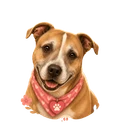
Basset Hound Guide: Adopt a Basset Hound, Temperament, Size and Care
What were Basset Hounds bred for?
Basset Hounds were developed as hunting hounds that follow scent, and their short legs and slower pace suited hunters working on foot. The Basset Hound origin is France, according to the AKC. The AKC places the breed in the Hound Group.
Where does the Basset Hound come from?
After the French Revolution, many commoners took up hunting and wanted a slow dog with a good nose, since they often had no horse. The name comes from a French word for a low thing or dwarf, which makes the early history of the breed hard to trace. Breeders used bloodhound crosses toward the end of the nineteenth century to make the dogs larger.
How big is a Basset Hound?
The AKC lists Basset Hound size as medium, standing up to 15 inches tall. The AKC gives a Basset Hound weight of 40-65 pounds, so the average weight falls somewhere in that range. The legs are short, but the bone is heavy for the dog's size.
What is the Basset Hound temperament and personality?
The AKC uses the words charming, patient and low-key for Basset Hound temperament. The breed standard describes the personality as friendly and affectionate rather than aggressive or timid. VCA describes an easygoing companion that is friendly to indifferent toward strangers. VCA also notes the breed is often good with children, though its independent nature and low energy may frustrate kids at times. The AKC gives the breed a high vocalization rating of 4 of 5.
How much exercise does a Basset Hound need?
The AKC rates energy at 2 of 5. VCA says backyard games can meet many exercise needs, though the dog prefers to walk, sniff and explore. A Basset tends to follow scent trails and may not return when called, so caution is wise off leash.
Do Basset Hounds shed?
The coat is short and smooth, and the AKC rates shedding at 2 of 5. VCA suggests brushing once a week to remove dead hair, and regular checking, cleaning and drying of the mouth and wrinkles. The AKC rates drooling at 4 of 5.
Are Basset Hounds easy to train?
VCA describes the breed as stubborn and methodical, doing best with reward-based training involving food. The AKC rates trainability at 3 of 5.
How long do Basset Hounds live, and what health issues matter?
The AKC gives a general Basset Hound lifespan, or life expectancy, of 12-13 years. VCA notes that Bassets have a tendency to become obese, and advises restricting calories if an adult starts gaining too much weight. The AKC lists these breed screenings: an ophthalmologist evaluation and DNA tests for MPS I, thrombopathia, Lafora disease and primary open angle glaucoma. Ask a veterinarian which of these health issues apply to a particular dog.
Thinking about Basset Hound rescue or adoption?
If you hope to adopt a Basset Hound, you would work with the organization that cares for the dog you see listed here. Because the breed tends to wander after scent and to become obese, a secure yard or leash routine and a plan for weight management are useful questions to raise with the organization.
AKC breed facts
These are the American Kennel Club’s general facts and 1 to 5 ratings for the Basset Hound as a breed. General tendencies don’t establish any one dog’s ancestry, personality or health; ask the listing organization about the dog you are considering.
- AKC group
- Hound Group
- AKC recognition year
- 1885
- Height (AKC published)
- up to 15 inches
- Weight (AKC published)
- 40-65 pounds
- General life expectancy
- 12-13 years
- AKC size category
- Medium
AKC general breed ratings (1 to 5)
- Energy: 2 of 5
- Mental enrichment: 3 of 5
- Trainability: 3 of 5
- Grooming frequency: 3 of 5
- Shedding: 2 of 5
- Vocalization: 4 of 5
- Drooling: 4 of 5
- Adaptability: 3 of 5
- Playfulness: 3 of 5
- Watchful or protective tendency: 3 of 5
- Affection toward family: 3 of 5
- Openness toward strangers: 3 of 5
- AKC child compatibility rating: 5 of 5
- AKC dog compatibility rating: 5 of 5
Health screenings AKC lists for the breed
Breeding evaluations AKC names for the breed; they are not a diagnosis or a testing plan for any one dog.
- Ophthalmologist Evaluation
- Mucopolysaccharidosis I (MPS I) - DNA Test
- Thrombopathia (Basset Hound) - DNA Test
- Lafora Disease - DNA Test
- Primary Open Angle Glaucoma (Basset Hound) (POAG) - DNA Test
Source: American Kennel Club breed profile (opens in a new tab), retrieved November 4, 2026 (snapshot akc-2026-11-04).
Written by Lily's Second Chance with AI assistance from the sources listed under References. Facts were checked automatically against those sources on November 9, 2026.
References
- Breed Standards : Basset Hound | United Kennel Club (UKC) (opens in a new tab), United Kennel Club, checked November 7, 2026
- Basset Hound | VCA Animal Hospitals (opens in a new tab), VCA Animal Hospitals, checked November 7, 2026
- Basset Hound - AKC breed profile (snapshot akc-2026-11-04) (opens in a new tab), American Kennel Club, checked November 4, 2026


